
Gut health diet recipes can dramatically improve your digestive wellness within just a few weeks of consistent eating. Your stomach has been sending you signals that something needs to change. Those uncomfortable bloating episodes and irregular bathroom visits aren’t just inconveniences. They’re your body’s way of asking for better nutrition and healing foods.
1. Fermented Vegetable Medley with Probiotics
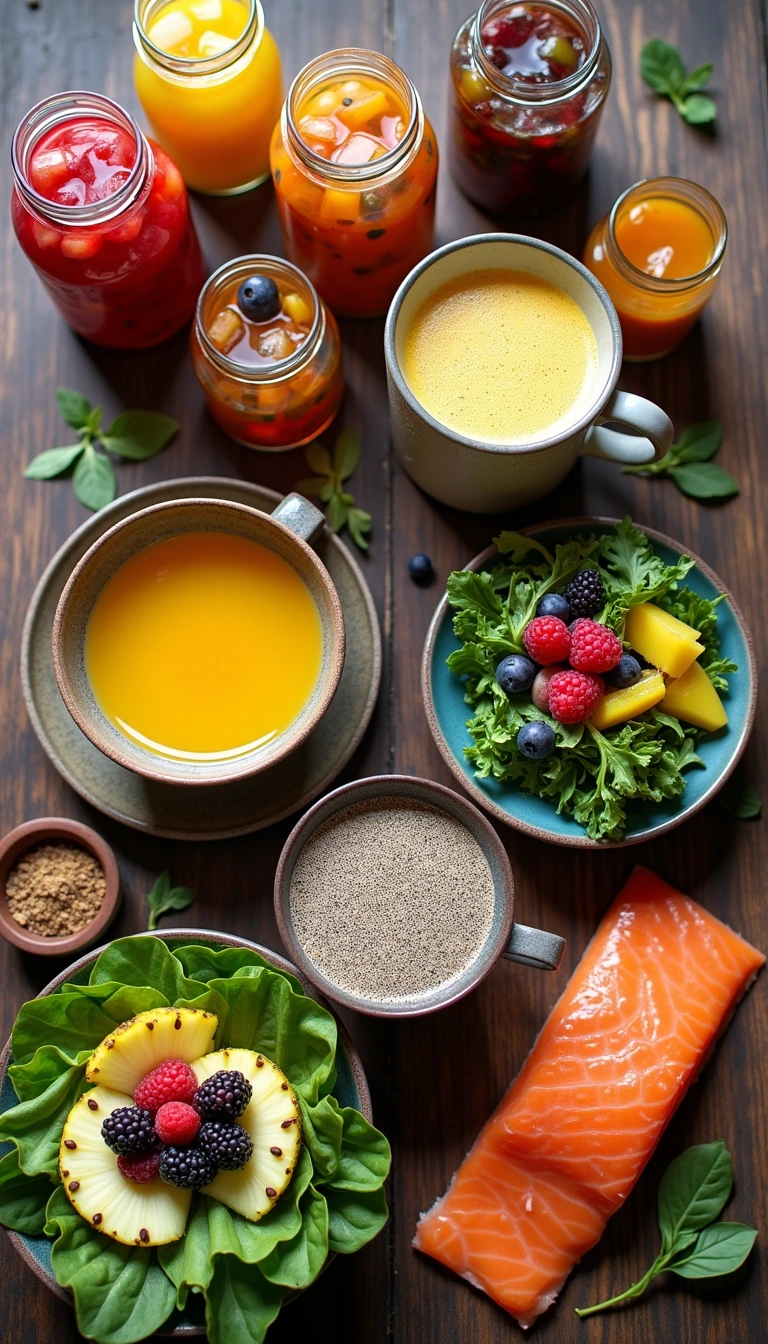
Fermented foods are like a spa day for your digestive system. They introduce beneficial bacteria that help break down food and absorb nutrients more effectively. These living cultures work around the clock to maintain a healthy balance in your gut microbiome.
Sauerkraut, kimchi, and pickled vegetables contain millions of probiotics in every serving. Studies show that eating just half a cup of fermented vegetables daily can increase your good bacteria by 40% within two weeks. You can make your own fermented mix using cabbage, carrots, and sea salt.
Tip: Start with 2 tablespoons of fermented vegetables with each meal to avoid digestive overwhelm.
2. Bone Broth with Healing Collagen
Bone broth acts like a gentle bandage for your intestinal lining. The collagen and amino acids in properly made broth help repair damaged gut walls and reduce inflammation. This liquid gold has been used for centuries to heal digestive problems naturally.
Slow-cooking beef or chicken bones for 12-24 hours releases gelatin that literally seals tiny holes in your intestinal barrier. One cup of homemade bone broth provides 6 grams of healing protein and essential minerals like magnesium and phosphorus. Sip it warm between meals or use it as a base for soups.
Takeaway: Drink one cup of bone broth daily on an empty stomach for maximum healing benefits.
3. Prebiotic-Rich Sweet Potato and Leek Soup
Prebiotics are the special food that feeds your good gut bacteria. Without them, even the best probiotics can’t survive and multiply in your digestive system. This creamy soup delivers both prebiotics and fiber to keep your microbiome thriving.
Sweet potatoes contain resistant starch that travels undigested to your colon, where beneficial bacteria feast on it. Leeks provide inulin, another powerful prebiotic that increases bifidobacteria levels. Roast 3 sweet potatoes and 2 leeks, then blend with bone broth for a healing meal.
Tip: Let cooked sweet potatoes cool before reheating to maximize their resistant starch content.
4. Anti-Inflammatory Turmeric Golden Milk
Chronic inflammation in your digestive tract prevents proper nutrient absorption and healing. Turmeric contains curcumin, a compound that reduces inflammatory markers and soothes irritated intestinal tissues. This warming drink calms your entire digestive system.
Mix 1 teaspoon turmeric powder with coconut milk, ginger, and a pinch of black pepper before bed. The black pepper increases curcumin absorption by 2000%, making this remedy incredibly powerful. Many people notice reduced bloating and better sleep within the first week.
Takeaway: Drink golden milk 30 minutes before bedtime to support overnight gut repair.
5. Fiber-Packed Chia Seed Pudding
Your digestive system needs both soluble and insoluble fiber to function properly. Chia seeds provide both types while forming a gel-like consistency that soothes inflamed intestinal walls. This pudding works like a gentle scrub brush for your colon.
Two tablespoons of chia seeds contain 10 grams of fiber and omega-3 fatty acids that reduce gut inflammation. Soak them in almond milk overnight with vanilla and berries for a digestive-healing breakfast. The seeds expand to 12 times their size, creating a satisfying meal that promotes regular bowel movements.
Tip: Always soak chia seeds for at least 20 minutes to prevent them from absorbing water in your stomach.
6. Digestive Enzyme-Boosting Pineapple Smoothie
Poor digestion often stems from insufficient digestive enzymes that break down proteins, fats, and carbohydrates. Fresh pineapple contains bromelain, a natural enzyme that helps your stomach process food more efficiently. This tropical smoothie kickstarts your digestive fire.
Blend 1 cup fresh pineapple with coconut water, ginger, and mint for a enzyme-rich drink. Bromelain works best on an empty stomach and can reduce bloating within 30 minutes of consumption. The natural enzymes help break down proteins that often cause digestive discomfort.
Takeaway: Drink this smoothie 20 minutes before your largest meal to enhance digestion.
7. Gut-Soothing Slippery Elm Porridge
When your intestinal lining is irritated, it needs gentle, coating foods that provide protection while healing occurs. Slippery elm bark creates a mucilaginous gel that coats and soothes inflamed digestive tissues. This traditional remedy has helped people for thousands of years.
Mix 1 tablespoon slippery elm powder with warm water and honey to create a healing porridge. The bark contains antioxidants and fiber that feed beneficial bacteria while protecting damaged areas. Many people with sensitive stomachs find this to be their most tolerable food during flare-ups.
Tip: Eat slippery elm porridge first thing in the morning to coat your stomach before other foods.
8. Probiotic-Rich Coconut Yogurt Parfait
Dairy yogurt can be inflammatory for many people with digestive issues. Coconut yogurt provides the same probiotic benefits without the potential for dairy-related inflammation. The medium-chain fatty acids in coconut also have antimicrobial properties that fight harmful bacteria.
Layer coconut yogurt with berries and nuts for a gut-healing parfait that tastes like dessert. Look for brands with at least 10 billion CFUs of live cultures per serving. The combination of probiotics and antioxidants creates an environment where good bacteria can flourish.
Takeaway: Choose coconut yogurt with no added sugars to avoid feeding harmful bacteria in your gut.
9. Healing Cabbage and Ginger Juice
Raw cabbage juice has been used medicinally to heal stomach ulcers and digestive inflammation for decades. It contains vitamin U, a compound that helps repair damaged stomach lining and reduces acid production. Fresh ginger adds digestive stimulation and anti-nausea properties.
Juice 2 cups of fresh cabbage with a 1-inch piece of ginger for a powerful healing drink. Start with small amounts since cabbage juice can cause gas in some people. Clinical studies show that drinking cabbage juice can heal stomach ulcers in 7-10 days when consumed regularly.
Tip: Drink cabbage juice on an empty stomach and wait 30 minutes before eating for maximum benefits.
10. Omega-3 Rich Salmon and Avocado Bowl
Chronic inflammation disrupts the delicate balance of your gut microbiome. Omega-3 fatty acids from wild-caught fish help reduce inflammatory markers throughout your digestive system. These healthy fats also support the production of anti-inflammatory compounds.
Wild salmon contains EPA and DHA that specifically target intestinal inflammation. Pair it with avocado, which provides fiber and monounsaturated fats that feed beneficial bacteria. This combination delivers both immediate anti-inflammatory effects and long-term microbiome support.
Takeaway: Eat fatty fish like salmon twice per week to maintain optimal omega-3 levels for gut health.
11. Digestive Bitters Salad with Arugula
Your digestive system responds to bitter tastes by producing more stomach acid and digestive enzymes. Modern diets lack bitter foods, leading to weak digestion and poor nutrient absorption. Bitter greens stimulate your vagus nerve, which controls digestive function.
Arugula, dandelion greens, and endive all contain compounds that enhance digestive secretions. Create a salad with these bitter greens, olive oil, and lemon juice. Eating bitter foods before meals can increase stomach acid production by 25% and improve protein digestion significantly.
Tip: Start each meal with a small serving of bitter greens to prime your digestive system.
12. Gut-Healing Marshmallow Root Tea
Marshmallow root contains mucilage that forms a protective coating over inflamed digestive tissues. This herb has been used traditionally to soothe everything from sore throats to irritated intestines. The gentle, slippery texture provides immediate comfort to sensitive stomachs.
Steep 1 tablespoon of dried marshmallow root in hot water for 15 minutes to create a healing tea. The mucilage content helps reduce acid reflux and soothes inflammatory bowel conditions. Many herbalists recommend this as the gentlest digestive remedy for people with severe sensitivities.
Takeaway: Sip marshmallow root tea between meals when experiencing digestive discomfort or inflammation.
Your journey to better digestive health starts with your next meal. These healing recipes provide the foundation for long-term gut wellness and improved overall health. Consistency with these nutrient-dense foods will create lasting positive changes in your microbiome and digestive function.
