
Cortisol-lowering exercises can transform your daily stress into manageable calm through simple movement and breathing techniques. Chronic stress floods your body with this hormone, leaving you exhausted and overwhelmed. Your adrenal glands work overtime, disrupting sleep and mental clarity. The good news is that specific exercises naturally reduce cortisol levels within minutes.
Understanding How Exercise Reduces Cortisol Levels
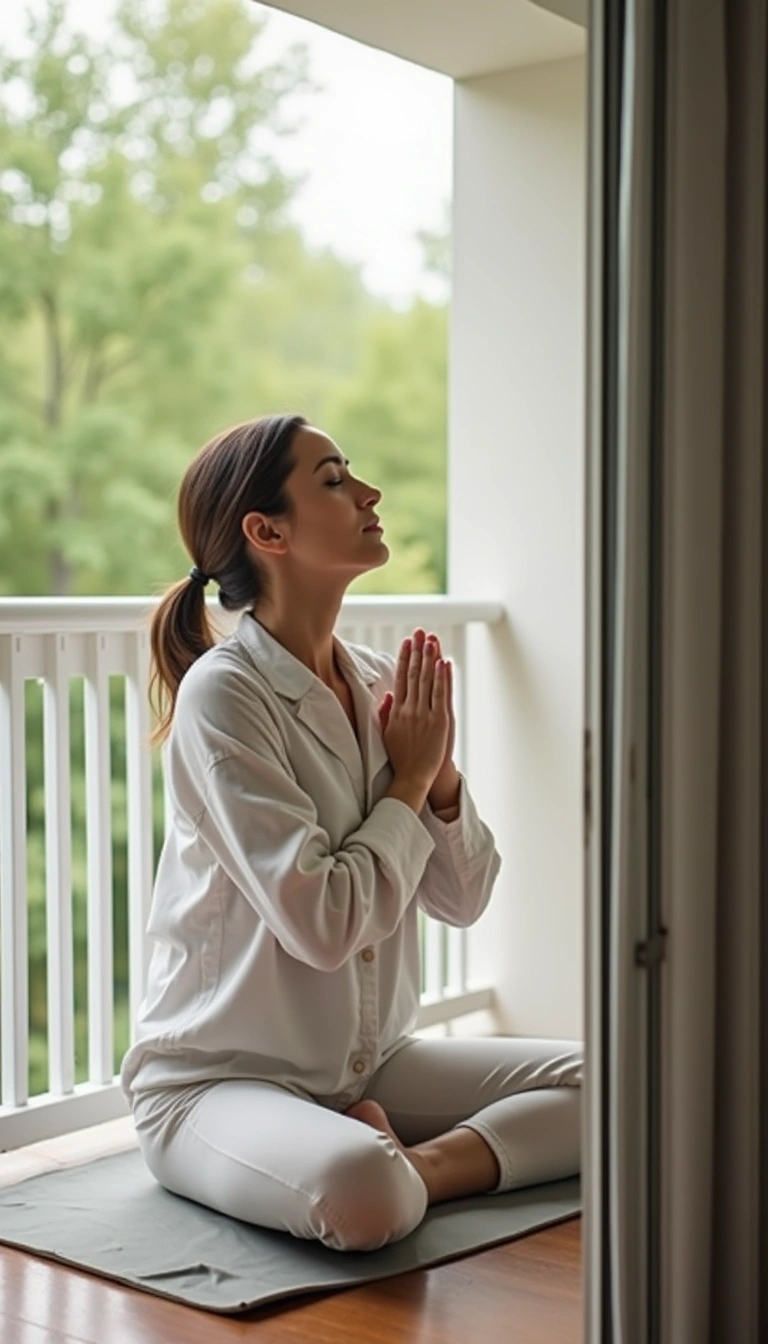
Your body responds to physical activity by releasing feel-good chemicals that counteract stress hormones. When you move regularly, your cortisol production becomes more balanced and controlled. This natural process helps your nervous system shift from fight-or-flight mode into a calmer state.
Research shows that just 20 minutes of moderate exercise can lower cortisol by up to 25%. Activities like walking, stretching, or gentle yoga signal your brain to reduce stress hormone production. Your body learns to manage stress more effectively with consistent movement practice.
Gentle Yoga Flows for Stress Relief
Yoga combines movement with mindful breathing to create powerful cortisol-lowering effects. The slow, controlled poses activate your parasympathetic nervous system, which tells your body it’s safe to relax. This ancient practice has been scientifically proven to reduce stress hormones within a single session.
Start with simple poses like child’s pose, cat-cow stretches, and gentle twists held for 30 seconds each. Focus on breathing deeply into your belly while moving slowly between positions. Even 10 minutes of morning yoga can set a calm tone for your entire day.
Walking Meditation Techniques
Walking meditation transforms a simple stroll into a powerful stress-reduction tool. This practice combines the cortisol-lowering benefits of light exercise with mindfulness techniques. Your attention shifts from worrying thoughts to the present moment, naturally reducing anxiety and tension.
Take a 15-minute walk while focusing on each step and your breathing rhythm. Count your steps from one to ten, then start over, keeping your pace slow and deliberate. This technique works especially well in nature, where studies show cortisol drops even faster than indoor walking.
Deep Breathing Exercises That Work Fast
Controlled breathing directly signals your nervous system to lower cortisol production. When you breathe slowly and deeply, your vagus nerve activates the relaxation response throughout your body. This immediate effect makes breathwork one of the fastest ways to reduce stress hormones.
Try the 4-7-8 breathing pattern: inhale for 4 counts, hold for 7, then exhale for 8 counts. Repeat this cycle 4-6 times whenever you feel stressed or overwhelmed. You can practice this technique anywhere – at work, in your car, or before bed for better sleep.
Progressive Muscle Relaxation Routines
Progressive muscle relaxation teaches your body the difference between tension and relaxation. This technique involves systematically tightening and releasing muscle groups throughout your body. The contrast helps you recognize where you hold stress and learn to let it go consciously.
Start with your toes, tense them for 5 seconds, then release completely for 10 seconds. Move up through your legs, abdomen, arms, and face, spending about 2 minutes on each area. Practice this 15-minute routine before bed to lower evening cortisol levels and improve sleep quality.
Tai Chi for Beginners
Tai chi combines flowing movements with meditation to create a moving form of stress relief. These gentle, circular motions help regulate your breathing while improving balance and flexibility. The meditative aspect quiets mental chatter that often keeps cortisol levels elevated.
Begin with simple arm circles and weight shifts from foot to foot while breathing slowly. Focus on making your movements smooth and continuous, like moving through water. Just 20 minutes of tai chi practice can reduce cortisol levels for up to 3 hours afterward.
Quick Desk Stretches for Work Stress
Workplace stress keeps cortisol elevated throughout your day, but simple desk stretches can provide immediate relief. These movements release physical tension while giving your mind a break from stressful tasks. Regular stretch breaks prevent stress from building up to overwhelming levels.
Try neck rolls, shoulder shrugs, and seated spinal twists every hour during your workday. Stand up and do gentle side bends or reach your arms overhead for 30 seconds. Set a phone reminder to stretch every 60 minutes – your stress levels will stay more manageable all day long.
Swimming and Water-Based Activities
Water-based exercise provides unique stress-relief benefits that land activities can’t match. The buoyancy reduces joint stress while the rhythmic nature of swimming naturally regulates breathing patterns. Cool water also helps lower your core body temperature, which signals relaxation to your nervous system.
Even gentle water walking or floating can significantly reduce cortisol levels within 30 minutes. The hydrostatic pressure of water acts like a full-body compression garment, promoting circulation and relaxation. If you don’t have pool access, a warm bath with Epsom salts provides similar calming effects.
Morning Stretching Routines
Starting your day with gentle stretching sets a calm foundation that keeps cortisol levels stable. Morning movement helps regulate your circadian rhythm and prepares your body for daily challenges. This proactive approach prevents stress from accumulating throughout the day.
Spend 5-10 minutes doing simple stretches like touching your toes, gentle back bends, and arm circles. Focus on areas that feel tight from sleep, moving slowly and breathing deeply. This routine signals to your body that the day ahead will be manageable rather than stressful.
Evening Wind-Down Exercises
Evening exercise routines help your body transition from the day’s activities into restful sleep. Gentle movement before bed helps metabolize excess cortisol while preparing your nervous system for recovery. The key is choosing calming activities rather than energizing workouts.
Try gentle stretching, restorative yoga poses, or light walking 2-3 hours before bedtime. Avoid intense exercise within 3 hours of sleep, as this can actually increase cortisol temporarily. End your routine with 5 minutes of deep breathing to signal that it’s time to rest and recover.
Combining Movement with Mindfulness
The most effective cortisol-lowering exercises combine physical movement with present-moment awareness. This dual approach addresses both the physical and mental aspects of stress simultaneously. Mindful movement prevents your mind from wandering to stressful thoughts during exercise.
Focus on how your body feels during any exercise rather than letting your mind drift to problems or worries. Notice your breathing, the sensation of muscles working, and your connection to the ground. This mindful approach doubles the stress-reducing benefits of physical activity alone.
Creating Your Personal Stress-Relief Schedule
Consistency matters more than intensity when using exercise to manage cortisol levels. A regular routine of gentle activities works better than sporadic intense workouts for stress management. Your body learns to expect and benefit from predictable movement patterns.
Choose 2-3 activities from this list and practice them at the same times each day for maximum benefit. Start with just 10-15 minutes per session and gradually increase as the habits become natural. Track your stress levels and sleep quality to see which combinations work best for your lifestyle.
Building Long-Term Stress Resilience
Regular cortisol-lowering exercises build your body’s natural ability to handle future stress more effectively. This resilience means that when challenging situations arise, your stress response will be more balanced and manageable. Think of these practices as insurance for your mental and physical health.
Aim for at least 30 minutes of stress-reducing movement daily, broken into smaller sessions if needed. Mix different activities to prevent boredom and work various muscle groups. Remember that small, consistent efforts create lasting changes in how your body manages stress hormones.
