
Anti-inflammatory lunch ideas can transform your midday meal from a source of fatigue into an energy-boosting, health-supporting experience. Chronic inflammation wreaks havoc on your body, leaving you tired and sluggish after lunch. Smart meal choices packed with omega-3s, antioxidants, and fiber fight back against this silent enemy. Your afternoon energy levels will thank you for making these simple swaps.
Mediterranean Quinoa Bowl
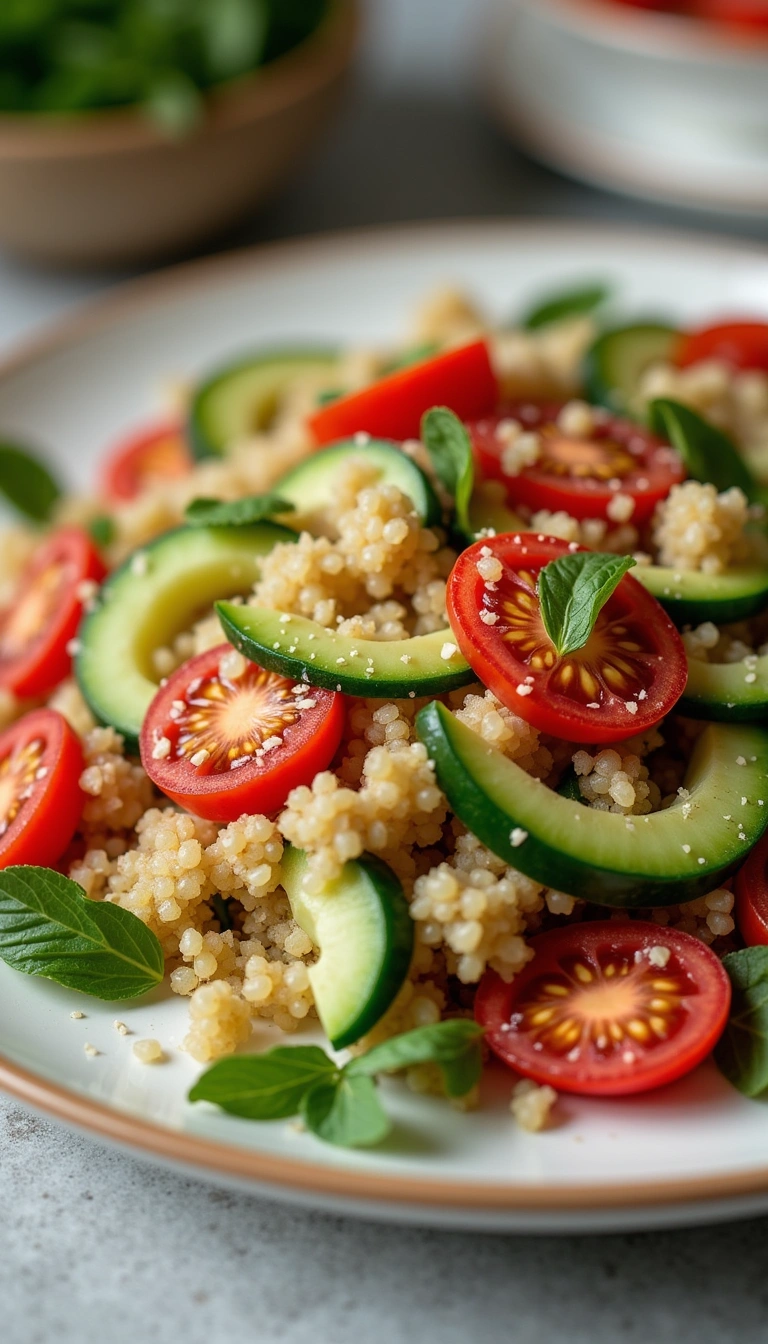
This colorful bowl combines protein-rich quinoa with inflammation-fighting vegetables and healthy fats. The Mediterranean diet is famous for reducing inflammation markers in your blood.
Studies show people who eat Mediterranean-style meals have 20% less inflammation than those eating processed foods. You can prep five bowls on Sunday and grab one each morning.
Ingredients: 1 cup cooked quinoa, 1/4 cup diced cucumber, 1/4 cup cherry tomatoes, 2 tablespoons kalamata olives, 1/4 cup chickpeas, 2 tablespoons crumbled feta, 1 tablespoon olive oil, 1 teaspoon lemon juice, fresh herbs
How to prepare: Cook quinoa according to package directions and let cool. Chop all vegetables into bite-sized pieces. Layer quinoa in your container, top with vegetables and feta. Store dressing separately until ready to eat.
Benefits: Quinoa provides complete protein and fiber, while olive oil delivers anti-inflammatory omega-3s. The colorful vegetables offer antioxidants that fight free radicals in your body.
Turmeric Chicken and Sweet Potato Wrap
Turmeric is nature’s most powerful anti-inflammatory spice, containing curcumin that reduces swelling throughout your body. Sweet potatoes add beta-carotene and complex carbohydrates for sustained energy.
Just one teaspoon of turmeric daily can reduce inflammation markers by up to 25%. Pair it with black pepper to increase absorption by 2000%.
Ingredients: 4 oz grilled chicken breast, 1/2 roasted sweet potato, 1 whole wheat tortilla, 1/4 avocado, 1 cup spinach, 1/2 teaspoon turmeric, pinch of black pepper, 1 tablespoon Greek yogurt
How to prepare: Season chicken with turmeric and black pepper, then grill until cooked through. Roast sweet potato cubes at 400°F for 25 minutes. Assemble wrap with all ingredients and wrap tightly in foil.
Benefits: Turmeric reduces joint pain and muscle soreness, while sweet potatoes provide vitamin A for immune support. The combination helps your body recover faster from daily stress.
Salmon and Avocado Power Bowl
Wild-caught salmon delivers the highest concentration of omega-3 fatty acids, which directly combat inflammation in your cardiovascular system. Avocados provide healthy monounsaturated fats that help your body absorb fat-soluble vitamins.
Eating salmon twice per week can reduce your risk of heart disease by 30%. Choose wild-caught over farmed for triple the omega-3 content.
Ingredients: 4 oz cooked salmon fillet, 1/2 sliced avocado, 2 cups mixed greens, 1/4 cup shredded purple cabbage, 1 tablespoon pumpkin seeds, 1 tablespoon olive oil, 1 teaspoon apple cider vinegar
How to prepare: Bake salmon at 375°F for 15 minutes with lemon and herbs. Let cool completely before adding to your bowl. Layer greens, add salmon chunks, avocado slices, and toppings. Keep dressing separate.
Benefits: Omega-3s in salmon reduce inflammatory markers while supporting brain health. Avocado helps your body absorb the fat-soluble vitamins A, D, E, and K from other vegetables.
Anti-Inflammatory Buddha Bowl
Buddha bowls pack multiple anti-inflammatory foods into one satisfying meal. The variety ensures you get different types of antioxidants and nutrients working together to fight inflammation.
Eating the rainbow provides over 25 different antioxidants in one meal. Each color represents different phytonutrients that target inflammation in unique ways.
Ingredients: 1/2 cup cooked brown rice, 1/4 cup roasted chickpeas, 1/4 cup steamed broccoli, 1/4 cup grated carrots, 1/4 cup red bell pepper, 2 tablespoons hummus, 1 tablespoon tahini, 1 teaspoon lemon juice
How to prepare: Cook brown rice and roast chickpeas with olive oil and spices. Steam broccoli until bright green. Arrange all components in separate sections of your container. Mix tahini with lemon juice for dressing.
Benefits: Brown rice provides B vitamins and fiber, while chickpeas offer plant-based protein. The colorful vegetables deliver antioxidants that protect your cells from inflammatory damage.
Ginger-Miso Soup with Vegetables
Ginger contains gingerol, a compound that blocks inflammatory pathways in your body. Miso paste provides probiotics that support gut health, where 70% of your immune system lives.
Fresh ginger is 25% more potent than dried ginger for fighting inflammation. A healthy gut microbiome can reduce systemic inflammation by up to 40%.
Ingredients: 2 cups low-sodium vegetable broth, 1 tablespoon white miso paste, 1 teaspoon fresh grated ginger, 1/4 cup sliced mushrooms, 1/4 cup snap peas, 1/4 cup cubed tofu, 1 green onion, 1 teaspoon sesame oil
How to prepare: Heat broth and whisk in miso paste until dissolved. Add ginger, mushrooms, and snap peas. Simmer 5 minutes. Add tofu and heat through. Pack in thermos to keep warm.
Benefits: Ginger reduces nausea and joint pain while boosting circulation. Miso supports digestive health, which directly impacts your body’s inflammatory response.
Lentil and Kale Salad
Lentils provide plant-based protein and fiber that feed beneficial gut bacteria. Kale contains more antioxidants per calorie than almost any other vegetable, making it a inflammation-fighting superstar.
One cup of kale provides 200% of your daily vitamin C needs. Massaging kale with lemon juice breaks down tough fibers and makes nutrients more available.
Ingredients: 1/2 cup cooked green lentils, 2 cups chopped kale, 1/4 cup diced red onion, 1/4 cup dried cranberries, 2 tablespoons walnuts, 1 tablespoon olive oil, 1 tablespoon lemon juice, 1 teaspoon Dijon mustard
How to prepare: Cook lentils until tender and let cool. Remove stems from kale and chop finely. Massage kale with lemon juice for 2 minutes. Mix all ingredients and let flavors meld for 30 minutes.
Benefits: Lentils stabilize blood sugar and provide folate for cellular repair. Kale delivers vitamin K for bone health and lutein for eye protection from inflammation.
Sardine and White Bean Salad
Sardines are one of the most sustainable and nutrient-dense fish options available. They contain more calcium than milk and provide omega-3s without the mercury concerns of larger fish.
Canned sardines have a shelf life of 3-5 years and cost 75% less than fresh fish. White beans add fiber and plant protein to create a complete amino acid profile.
Ingredients: 1 can sardines in olive oil, 1/2 cup cannellini beans, 1/4 cup diced celery, 1/4 cup cherry tomatoes, 2 tablespoons red onion, 1 tablespoon capers, 1 tablespoon lemon juice, fresh parsley
How to prepare: Drain sardines and break into chunks. Rinse beans and drain well. Combine all ingredients in a bowl and toss gently. Serve over greens or with whole grain crackers.
Benefits: Sardines provide vitamin D and calcium for bone health. The combination of fish and beans creates a complete protein that supports muscle maintenance and repair.
Roasted Vegetable and Hummus Wrap
Roasting vegetables concentrates their flavors and makes their antioxidants more bioavailable. Hummus provides plant-based protein and healthy fats that slow digestion and prevent blood sugar spikes.
Roasted vegetables contain 30% more antioxidants than raw ones. Tahini in hummus provides calcium and healthy fats that support hormone production.
Ingredients: 1/2 cup roasted zucchini and bell peppers, 1/4 cup roasted eggplant, 2 tablespoons hummus, 1 whole wheat tortilla, 1/4 cup sprouts, 1 tablespoon olive tapenade, handful of arugula
How to prepare: Slice vegetables and toss with olive oil and herbs. Roast at 425°F for 20-25 minutes until tender. Let cool completely. Spread hummus on tortilla, add vegetables and greens, then roll tightly.
Benefits: Roasted vegetables provide fiber and antioxidants that support digestive health. The healthy fats help your body absorb fat-soluble vitamins from the colorful vegetables.
Green Tea Poached Chicken Salad
Green tea contains EGCG, a powerful antioxidant that reduces inflammation and supports fat burning. Poaching chicken in green tea infuses it with these beneficial compounds while keeping the meat tender.
EGCG is 100 times more potent than vitamin C for fighting free radicals. Drinking green tea with meals can reduce inflammation markers by 15% within two weeks.
Ingredients: 4 oz chicken breast poached in green tea, 2 cups mixed greens, 1/4 cup edamame, 1/4 cup sliced cucumber, 1 tablespoon sesame seeds, 1 tablespoon rice vinegar, 1 teaspoon sesame oil, 1 teaspoon honey
How to prepare: Brew strong green tea and poach chicken breast for 15-20 minutes until cooked through. Let cool and slice. Combine vinegar, oil, and honey for dressing. Assemble salad and keep dressing separate.
Benefits: Green tea compounds support metabolism and reduce oxidative stress. Edamame provides complete protein and isoflavones that help balance hormones naturally.
Beet and Goat Cheese Salad
Beets contain nitrates that improve blood flow and reduce inflammation in blood vessels. Their deep red color comes from betalains, antioxidants that protect your liver and support detoxification.
Beet juice can lower blood pressure within three hours of consumption. Goat cheese is easier to digest than cow’s milk cheese and provides probiotics for gut health.
Ingredients: 1 medium roasted beet, 2 oz goat cheese, 2 cups arugula, 1/4 cup chopped walnuts, 1 tablespoon balsamic vinegar, 1 tablespoon olive oil, 1 teaspoon honey, fresh thyme
How to prepare: Wrap beet in foil and roast at 400°F for 45 minutes until tender. Let cool, peel, and slice. Whisk together vinegar, oil, and honey. Arrange salad and crumble goat cheese on top.
Benefits: Beets support liver detoxification and cardiovascular health. Walnuts provide omega-3 fatty acids that work synergistically with beet nitrates to reduce inflammation.
Turkey and Avocado Lettuce Wraps
Turkey provides lean protein without the inflammatory compounds found in processed meats. Butter lettuce creates the perfect wrap that won’t fall apart while delivering folate and vitamin K.
Choosing fresh turkey over deli meat eliminates 90% of the sodium and nitrates. Large butter lettuce leaves can hold as much filling as a tortilla with fewer calories.
Ingredients: 4 oz sliced turkey breast, 1/2 avocado, 4 large butter lettuce leaves, 1/4 cup shredded carrots, 1/4 cup cucumber strips, 1 tablespoon Greek yogurt, 1 teaspoon Dijon mustard, fresh herbs
How to prepare: Mix yogurt with mustard for spread. Wash and dry lettuce leaves carefully. Layer turkey, avocado, and vegetables in each leaf. Roll up and secure with toothpick if needed.
Benefits: Turkey provides selenium and B vitamins for energy production. Avocado delivers potassium and healthy fats that support heart health and reduce inflammation.
Chia Seed Pudding with Berries
Chia seeds expand to 12 times their size when mixed with liquid, creating a satisfying pudding texture. They provide more omega-3s than salmon per serving and help stabilize blood sugar levels.
Two tablespoons of chia seeds contain 10 grams of fiber and 5 grams of protein. Berries have the highest antioxidant content of any fruit group.
Ingredients: 3 tablespoons chia seeds, 1 cup unsweetened almond milk, 1 tablespoon maple syrup, 1/2 teaspoon vanilla, 1/2 cup mixed berries, 1 tablespoon chopped almonds, cinnamon
How to prepare: Whisk chia seeds with almond milk, maple syrup, and vanilla. Let sit 5 minutes, whisk again to prevent clumping. Refrigerate overnight. Top with berries and almonds before eating.
Benefits: Chia seeds provide sustained energy and help you feel full for hours. Berries deliver anthocyanins that protect your brain and reduce inflammation throughout your body.
Coconut Curry Lentil Soup
Coconut milk contains medium-chain triglycerides that your body uses for immediate energy rather than storing as fat. Curry spices like turmeric and coriander work together to fight inflammation.
MCTs in coconut milk can boost metabolism by up to 12% for six hours after eating. Traditional curry spice blends contain over 20 anti-inflammatory compounds.
Ingredients: 1/2 cup red lentils, 1 cup light coconut milk, 1 cup vegetable broth, 1/4 cup diced tomatoes, 1/4 cup spinach, 1 teaspoon curry powder, 1/2 teaspoon turmeric, 1 clove garlic, fresh cilantro
How to prepare: Sauté garlic and spices for 30 seconds. Add lentils, coconut milk, and broth. Simmer 15 minutes until lentils are tender. Stir in tomatoes and spinach. Pack in thermos to keep warm.
Benefits: Red lentils cook quickly and provide folate for cellular repair. The combination of spices supports digestion and helps your body absorb nutrients more efficiently.
Smoked Mackerel Pâté with Vegetables
Mackerel contains the highest levels of omega-3 fatty acids of any commonly available fish. Smoked versions have a longer shelf life and intense flavor that pairs perfectly with fresh vegetables.
Mackerel provides 2.5 grams of omega-3s per serving, five times more than salmon. The smoking process concentrates nutrients while adding natural preservatives.
Ingredients: 3 oz smoked mackerel, 2 tablespoons Greek yogurt, 1 teaspoon lemon juice, 1/4 teaspoon horseradish, sliced bell peppers, cucumber rounds, cherry tomatoes, whole grain crackers
How to prepare: Flake mackerel and mix with yogurt, lemon juice, and horseradish until smooth. Pack pâté in small container with fresh vegetables for dipping. Keep chilled until ready to eat.
Benefits: Mackerel supports brain health and reduces joint inflammation. The combination of protein and healthy fats helps maintain steady energy levels all afternoon.
Quinoa Stuffed Bell Peppers
Bell peppers provide more vitamin C than oranges and come in a convenient edible package. Quinoa adds complete protein and essential amino acids your body needs for tissue repair.
Red bell peppers contain 300% more vitamin C than green ones. Quinoa is naturally gluten-free and cooks faster than most whole grains.
Ingredients: 1 large red bell pepper, 1/2 cup cooked quinoa, 1/4 cup black beans, 1/4 cup corn, 2 tablespoons salsa, 1/4 cup shredded cheese, 1 tablespoon cilantro, lime juice
How to prepare: Cut top off pepper and remove seeds. Mix quinoa with beans, corn, and salsa. Stuff pepper with mixture and top with cheese. Can be eaten cold or reheated.
Benefits: Bell peppers provide antioxidants that protect against cellular damage. The combination of quinoa and beans creates a complete protein that supports muscle maintenance.
Asian-Style Cabbage Slaw
Cabbage is one of the most affordable anti-inflammatory vegetables and has a long shelf life. It contains sulforaphane, a compound that activates your body’s natural detoxification systems.
Purple cabbage contains 36 different types of anthocyanins. Fermented vegetables like kimchi can increase the anti-inflammatory benefits by up to 400%.
Ingredients: 2 cups shredded purple cabbage, 1/2 cup shredded carrots, 1/4 cup edamame, 2 tablespoons sesame seeds, 1 tablespoon rice vinegar, 1 teaspoon sesame oil, 1 teaspoon honey, ginger
How to prepare: Combine all vegetables in a large bowl. Whisk together vinegar, oil, honey, and grated ginger. Pour dressing over vegetables and toss well. Let marinate for at least 30 minutes.
Benefits: Cabbage supports liver detoxification and provides vitamin K for bone health. The natural enzymes help improve digestion and nutrient absorption.
Mediterranean Chickpea Salad
Chickpeas provide more protein per serving than most meats while delivering fiber that feeds beneficial gut bacteria. They have a low glycemic index, preventing blood sugar spikes that trigger inflammation.
One cup of chickpeas provides 15 grams of protein and 12 grams of fiber. Canned chickpeas are just as nutritious as dried ones and save hours of preparation time.
Ingredients: 1 can chickpeas, 1/4 cup diced cucumber, 1/4 cup cherry tomatoes, 2 tablespoons red onion, 2 tablespoons kalamata olives, 1/4 cup feta cheese, 2 tablespoons olive oil, 1 tablespoon red wine vinegar, oregano
How to prepare: Rinse and drain chickpeas well. Dice all vegetables to similar size. Combine everything in a bowl and toss with oil, vinegar, and oregano. Let flavors meld for 30 minutes before eating.
Benefits: Chickpeas help stabilize blood sugar and provide sustained energy. The Mediterranean-style ingredients deliver antioxidants that protect against heart disease and inflammation.
Wild Rice and Mushroom Bowl
Wild rice isn’t actually rice but a nutrient-dense grass seed that provides more protein and fiber than regular rice. Mushrooms contain beta-glucans that support immune function and reduce inflammation.
Wild rice has 30% more protein than brown rice and twice the fiber. Shiitake mushrooms contain compounds that can boost immune function by up to 50%.
Ingredients: 1/2 cup cooked wild rice, 1/2 cup sautéed mushrooms, 1/4 cup roasted butternut squash, 2 tablespoons pumpkin seeds, 1 tablespoon dried cranberries, 1 tablespoon olive oil, 1 teaspoon balsamic vinegar, fresh sage
How to prepare: Cook wild rice according to package directions (usually 45 minutes). Sauté mixed mushrooms with garlic and herbs. Roast squash cubes until caramelized. Combine all ingredients and toss with dressing.
Benefits: Wild rice provides B vitamins and minerals that support energy production. Mushrooms contain antioxidants that protect against cellular damage and support immune health.
Herb-Crusted Tofu with Vegetables
Tofu provides complete protein and contains isoflavones that help reduce inflammation in postmenopausal women. Fresh herbs deliver concentrated antioxidants and make plant-based meals more satisfying.
Pressing tofu for 30 minutes removes excess water and allows it to absorb flavors better. Fresh herbs contain 10 times more antioxidants than dried herbs.
Ingredients: 4 oz extra-firm tofu, 2 tablespoons mixed fresh herbs, 1 tablespoon olive oil, 1 cup roasted vegetables, 1/4 cup quinoa, 1 tablespoon tahini, 1 teaspoon lemon juice, sea salt
How to prepare: Press tofu to remove water, then cube and toss with herbs and oil. Bake at 400°F for 25 minutes until golden. Serve over quinoa with roasted vegetables and tahini drizzle.
Benefits: Tofu provides calcium and magnesium for bone health. The combination of plant proteins creates a complete amino acid profile that supports muscle maintenance and repair.
Sweet Potato and Black Bean Burrito Bowl
Sweet potatoes have a lower glycemic index than regular potatoes and provide beta-carotene that converts to vitamin A. Black beans offer protein and fiber that promote stable blood sugar levels.
Orange-fleshed sweet potatoes contain 400% of your daily vitamin A needs. The combination of beans and sweet potatoes provides all essential amino acids.
Ingredients: 1/2 cup roasted sweet potato cubes, 1/4 cup black beans, 1/4 cup brown rice, 1/4 cup salsa, 1/4 avocado, 1 tablespoon Greek yogurt, 1 tablespoon cilantro, lime juice, cumin
How to prepare: Roast sweet potato cubes with cumin until caramelized. Layer rice, beans, and sweet potato in bowl. Top with salsa, avocado, and yogurt. Squeeze fresh lime juice over everything.
Benefits: Sweet potatoes provide sustained energy and support eye health. Black beans help maintain steady blood sugar and provide folate for cellular repair and energy production.
These anti-inflammatory lunch options will keep you energized and satisfied while supporting your long-term health. Start with two or three recipes that appeal to you most, then gradually expand your repertoire.
