
Anti-inflammatory dinner ideas can transform your weeknight routine while supporting your body’s natural healing processes. Busy schedules don’t have to derail healthy eating habits. Simple ingredient swaps make powerful differences. Tonight’s meal becomes tomorrow’s energy boost.
Understanding Anti-Inflammatory Foods
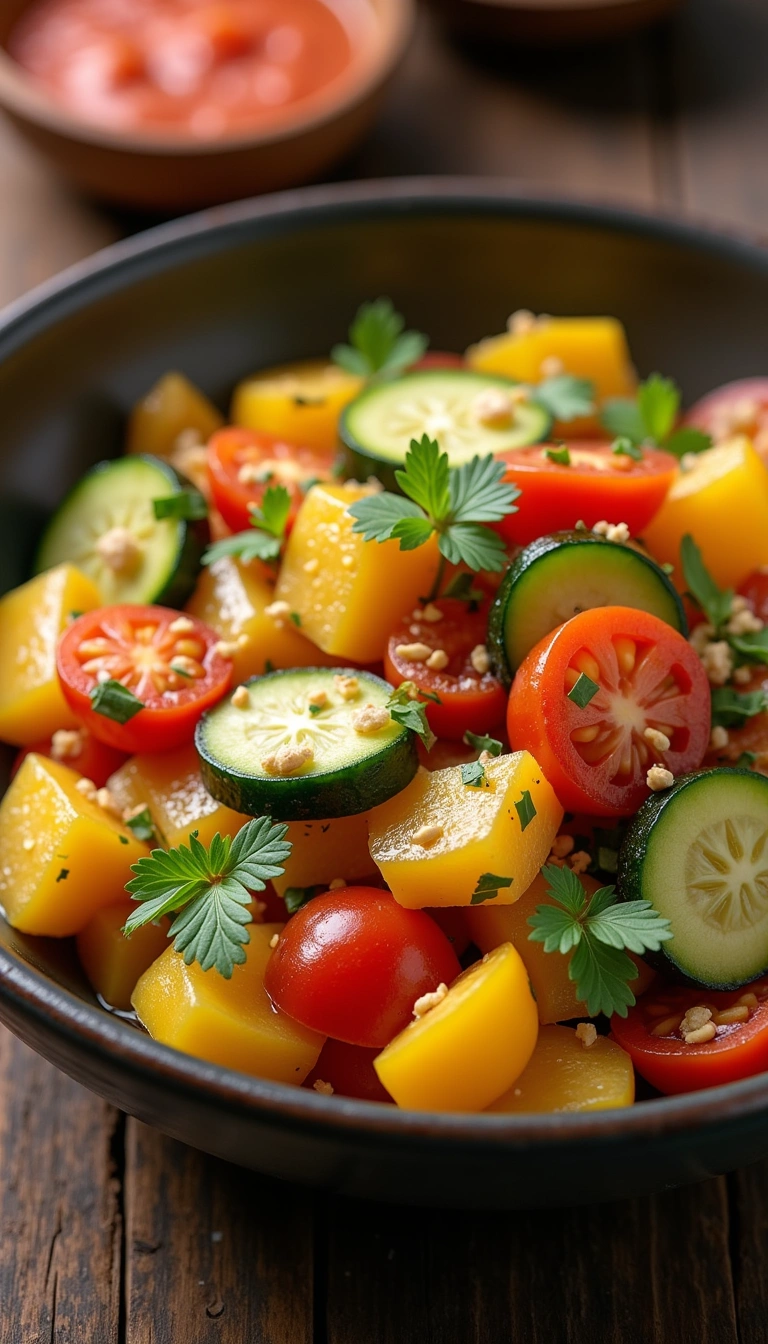
Anti-inflammatory foods work like nature’s medicine cabinet, helping your body fight chronic inflammation that can lead to fatigue and discomfort. These foods contain compounds that naturally reduce inflammatory markers in your system.
👉 Get a ready-to-follow 7 day anti-inflammatory meal plan
See what to eat each day to help reduce inflammation.
Omega-3 fatty acids, antioxidants, and fiber-rich ingredients form the foundation of anti-inflammatory eating. Think colorful vegetables, fatty fish, nuts, and whole grains that pack maximum nutritional punch with minimal prep time.
Quick Salmon and Vegetable Bowls
Salmon delivers powerful omega-3 fatty acids that combat inflammation while cooking in just 12-15 minutes. These versatile bowls accommodate whatever vegetables you have on hand.
Pan-sear salmon fillets with olive oil, garlic, and lemon while roasting Brussels sprouts or broccoli. Serve over quinoa with a drizzle of tahini dressing for complete protein and healthy fats in one satisfying bowl.
Turmeric-Spiced Chicken Dishes
Turmeric contains curcumin, a compound renowned for its anti-inflammatory properties that gives dishes a beautiful golden color. This warming spice pairs perfectly with tender chicken for family-friendly meals.
Marinate chicken thighs in turmeric, ginger, and coconut milk for 30 minutes, then bake with sweet potatoes and onions. The result is a one-pan dinner that fills your kitchen with aromatic spices and your body with healing nutrients.
Hearty Lentil and Vegetable Stews
Lentils provide plant-based protein and fiber that support healthy digestion while reducing inflammatory responses. These legumes cook quickly and absorb flavors beautifully in warming stews.
Combine red lentils with diced tomatoes, carrots, celery, and anti-inflammatory spices like ginger and garlic. Simmer for 25 minutes and you’ll have a comforting meal that freezes well for future busy nights.
Mediterranean-Style Fish Preparations
Mediterranean cuisine naturally emphasizes anti-inflammatory ingredients like olive oil, herbs, and fresh vegetables. These light yet satisfying dishes transport you to coastal regions with every bite.
Bake white fish like cod or halibut with cherry tomatoes, olives, capers, and fresh herbs. The healthy fats from olive oil help your body absorb fat-soluble vitamins while creating restaurant-quality flavors at home.
Colorful Buddha Bowls
Buddha bowls combine multiple anti-inflammatory ingredients in one beautiful, customizable meal that satisfies both your eyes and your nutritional needs. These bowls encourage creative use of seasonal vegetables.
Start with leafy greens, add roasted rainbow vegetables, include a protein like chickpeas or grilled chicken, and top with seeds or nuts. Finish with an anti-inflammatory dressing made from olive oil, lemon, and herbs.
Anti-Inflammatory Soup Recipes
Warm soups deliver concentrated nutrition while being gentle on your digestive system. The cooking process breaks down cell walls in vegetables, making nutrients more bioavailable to your body.
Try a ginger-carrot soup with coconut milk, or a bone broth-based vegetable soup loaded with anti-inflammatory ingredients like kale, garlic, and herbs. Both options can be made in large batches for easy reheating.
Quinoa-Based Power Bowls
Quinoa provides complete protein and essential amino acids while being naturally gluten-free and easy to digest. This ancient grain cooks in just 15 minutes and absorbs flavors from herbs and spices beautifully.
Cook quinoa in vegetable broth instead of water for extra flavor, then top with roasted vegetables, avocado, and a handful of walnuts. The combination provides sustained energy without inflammatory processed ingredients.
Sheet Pan Dinner Solutions
Sheet pan dinners minimize cleanup while maximizing nutrition by roasting multiple anti-inflammatory ingredients together. The high heat caramelizes vegetables and creates complex flavors with minimal effort.
Combine salmon or chicken with Brussels sprouts, sweet potatoes, and red onions on one pan. Drizzle with olive oil and season with rosemary and garlic for a complete meal that cooks in 25 minutes.
Vegetarian Anti-Inflammatory Options
Plant-based meals naturally reduce inflammatory markers while providing fiber, antioxidants, and phytonutrients that support overall health. These options prove that meatless meals can be completely satisfying.
Try stuffed bell peppers filled with quinoa, black beans, and diced vegetables, or a hearty chickpea curry with anti-inflammatory spices like turmeric and ginger. Both dishes provide complete nutrition without animal products.
Quick Stir-Fry Combinations
Stir-fries preserve the nutritional content of vegetables through quick cooking while allowing you to incorporate multiple anti-inflammatory ingredients in one pan. The high heat creates appealing textures and flavors.
Use coconut oil or avocado oil for high-heat cooking, add plenty of colorful vegetables, and season with fresh ginger, garlic, and herbs. Serve over cauliflower rice or brown rice for additional fiber and nutrients.
Omega-3 Rich Fish Dishes
Fatty fish like mackerel, sardines, and wild-caught salmon provide the highest concentrations of anti-inflammatory omega-3 fatty acids. These nutrients support brain health and reduce systemic inflammation.
Grill mackerel with lemon and herbs, or create salmon patties with sweet potato and fresh dill. These preparation methods preserve the delicate omega-3 oils while creating delicious, restaurant-quality meals.
Anti-Inflammatory Pasta Alternatives
Traditional pasta alternatives made from vegetables or legumes provide more nutrients and fiber while reducing inflammatory refined carbohydrates. These swaps satisfy pasta cravings with added nutritional benefits.
Spiralized zucchini noodles with pesto made from basil, pine nuts, and olive oil create a fresh, light meal. Alternatively, try chickpea or lentil pasta with anti-inflammatory marinara sauce loaded with garlic and herbs.
Healing Bone Broth Meals
Bone broth contains collagen, amino acids, and minerals that support gut health and reduce inflammation throughout your body. This traditional food serves as an excellent base for nourishing meals.
Use bone broth as a cooking liquid for grains, or create simple soups with added vegetables and herbs. The slow-simmered broth provides deep, rich flavors while delivering concentrated nutrients that support healing.
Spice-Forward Curry Dishes
Curry spices like turmeric, ginger, and coriander contain powerful anti-inflammatory compounds that have been used medicinally for thousands of years. These aromatic dishes warm you from the inside out.
Create a simple chicken or vegetable curry using coconut milk, curry powder, and fresh vegetables. The healthy fats in coconut milk help your body absorb the fat-soluble compounds in the spices.
Antioxidant-Rich Vegetable Medleys
Colorful vegetables provide different antioxidants that work synergistically to reduce inflammation and support cellular health. The variety ensures you’re getting a broad spectrum of protective compounds.
Roast a rainbow of vegetables including red bell peppers, purple cabbage, orange carrots, and green broccoli. Each color represents different phytonutrients that contribute to your body’s anti-inflammatory defense system.
Healthy Fat-Focused Meals
Anti-inflammatory fats from sources like avocados, nuts, seeds, and olive oil help reduce inflammatory markers while supporting hormone production and nutrient absorption. These fats also increase meal satisfaction.
Create an avocado and walnut salad with mixed greens and olive oil dressing, or prepare salmon with an almond crust. These combinations provide multiple types of beneficial fats in one delicious meal.
One-Pot Wonder Recipes
One-pot meals simplify cooking and cleanup while allowing flavors to meld together beautifully. These dishes often taste even better the next day as ingredients continue to marry.
Try a one-pot chicken and vegetable stew with anti-inflammatory herbs like thyme and oregano, or create a lentil and vegetable curry that cooks entirely in one Dutch oven. Both options provide complete nutrition with minimal effort.
Anti-Inflammatory Grain Bowls
Ancient grains like quinoa, farro, and brown rice provide sustained energy and fiber while being naturally anti-inflammatory. These grains serve as excellent foundations for nutrient-dense meals.
Cook farro in vegetable broth, then top with roasted vegetables, hemp seeds, and a tahini dressing. The combination of fiber, protein, and healthy fats creates a perfectly balanced anti-inflammatory meal.
Quick Protein-Packed Salads
Substantial salads provide raw enzymes and antioxidants while being naturally cooling and hydrating. Adding protein transforms simple salads into complete, satisfying meals.
Combine mixed greens with grilled chicken or chickpeas, add colorful vegetables, nuts, and seeds, then dress with olive oil and lemon. This combination provides complete nutrition while being naturally anti-inflammatory.
Fermented Food Incorporations
Fermented foods like kimchi, sauerkraut, and miso support gut health, which directly impacts your body’s inflammatory response. A healthy gut microbiome helps regulate immune function and reduces systemic inflammation.
Add kimchi to grain bowls, use miso in salad dressings, or serve sauerkraut alongside grilled proteins. These additions provide probiotics and unique flavors while supporting your body’s natural anti-inflammatory processes.
Herb and Spice Combinations
Fresh herbs and anti-inflammatory spices can transform simple ingredients into flavorful, healing meals. These additions provide concentrated antioxidants and phytonutrients without added calories or sodium.
Create herb-crusted fish with parsley, cilantro, and dill, or season roasted vegetables with anti-inflammatory spices like rosemary, thyme, and garlic. These natural flavor enhancers eliminate the need for processed seasonings.
Seasonal Vegetable Focus
Seasonal vegetables provide peak nutrition and flavor while being more affordable and environmentally sustainable. Eating seasonally also ensures variety in your anti-inflammatory nutrient intake throughout the year.
In fall, focus on anti-inflammatory root vegetables and squashes. Winter calls for hearty greens and citrus fruits. Spring brings fresh herbs and early greens, while summer offers colorful berries and tomatoes.
Make-Ahead Meal Strategies
Preparing anti-inflammatory components ahead of time makes weeknight cooking effortless while ensuring you always have healthy options available. This strategy prevents reliance on inflammatory processed foods when time is short.
Batch cook quinoa, roast vegetables, and prepare protein portions on weekends. During busy weeknights, simply combine these elements with fresh herbs and healthy fats for complete anti-inflammatory meals in minutes.
Simple Cooking Techniques
Gentle cooking methods like steaming, poaching, and low-temperature roasting preserve the anti-inflammatory compounds in foods while creating appealing textures and flavors. These techniques also minimize the formation of inflammatory compounds.
Steam vegetables until just tender-crisp to preserve vitamin content, poach fish in herb-infused broth for delicate flavor, or roast vegetables at moderate temperatures to caramelize natural sugars without creating harmful compounds.
👉 Get a ready-to-follow 7 day anti-inflammatory meal plan
See what to eat each day to help reduce inflammation.
Budget-Friendly Anti-Inflammatory Options
Anti-inflammatory eating doesn’t require expensive superfoods or specialty ingredients. Many of the most powerful anti-inflammatory foods are affordable, accessible options available at any grocery store.
Dried beans, frozen vegetables, canned wild salmon, and basic spices like turmeric and ginger provide maximum anti-inflammatory benefits at minimal cost. Focus on whole foods rather than expensive processed health products for the best value.
These anti-inflammatory dinner ideas will revolutionize your weeknight routine while supporting your long-term health goals. Start with one or two recipes this week and gradually expand your repertoire.
