
Anti-inflammatory lunch ideas can transform your midday meal into a powerful tool for better health and energy. Fighting inflammation doesn’t mean sacrificing flavor or convenience. Smart meal prep turns nutritious eating into an effortless daily habit. These 20 recipes prove that healthy lunches can be both delicious and doable.
1.Mediterranean Quinoa Bowl
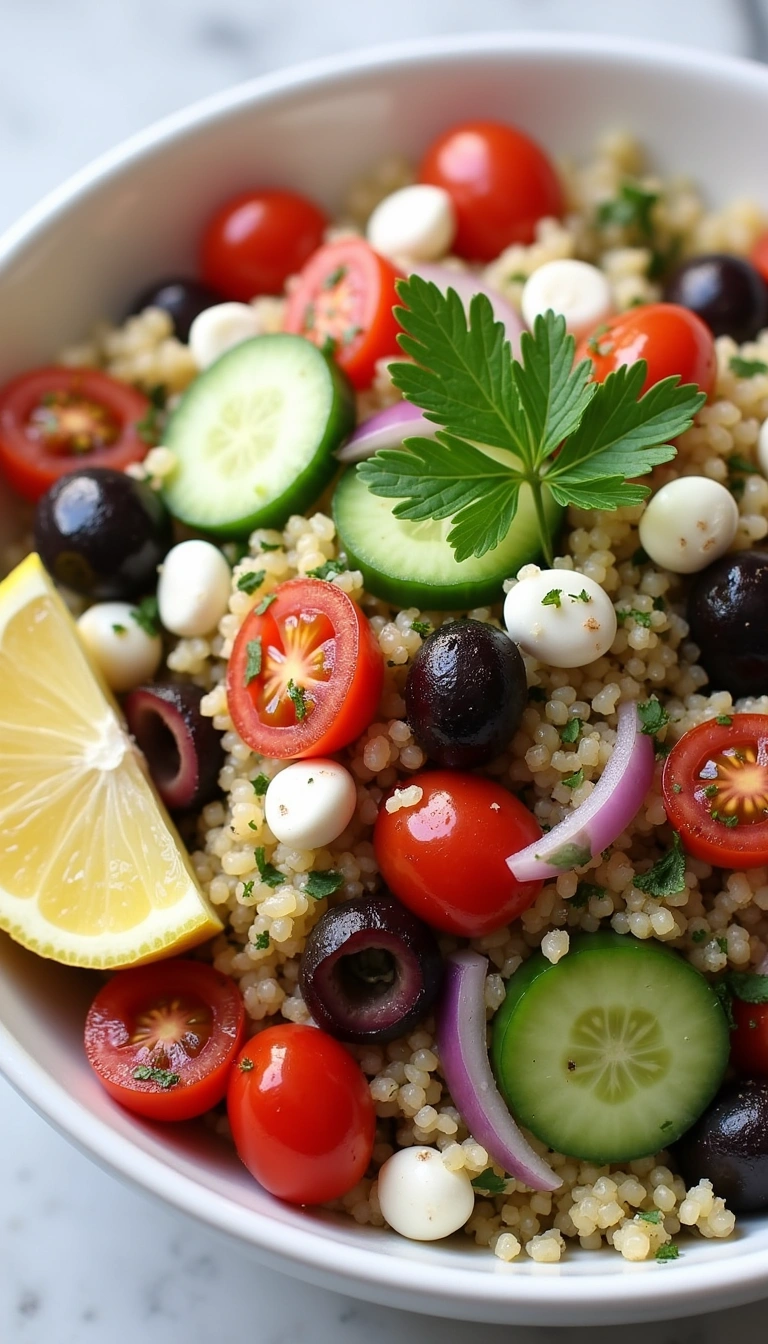
This protein-packed bowl combines ancient grains with fresh vegetables to create a satisfying meal that fights inflammation naturally. The Mediterranean diet is one of the most researched eating patterns for reducing inflammatory markers in your body.
👉 Get a ready-to-follow 7 day anti-inflammatory meal plan
See what to eat each day to help reduce inflammation.
You can prep five servings on Sunday and enjoy them throughout the week. The flavors actually improve after a day in the refrigerator, making this perfect for busy schedules.
Ingredients: Cooked quinoa, cherry tomatoes, cucumber, red onion, kalamata olives, feta cheese, olive oil, lemon juice, oregano, and fresh parsley.
How to prepare: Cook quinoa according to package directions and let cool. Chop all vegetables into bite-sized pieces. Whisk olive oil, lemon juice, and oregano together. Combine everything in meal prep containers and store in the refrigerator for up to 5 days.
Why it works: Quinoa provides complete protein and fiber, while olive oil delivers healthy fats. The colorful vegetables offer antioxidants that help your body fight inflammation from the inside out.
2.Wild Salmon and Sweet Potato Salad
Omega-3 rich salmon paired with nutrient-dense sweet potatoes creates a lunch that tastes like a restaurant meal. This combination provides sustained energy without the afternoon crash that comes from processed foods.
Wild-caught salmon contains nearly twice the omega-3 fatty acids compared to farm-raised varieties. These healthy fats are essential for reducing inflammation throughout your body.
Ingredients: Wild salmon fillet, roasted sweet potato cubes, mixed greens, avocado, walnuts, olive oil, apple cider vinegar, Dijon mustard, and fresh dill.
How to prepare: Bake salmon and sweet potatoes together at 400°F for 15-20 minutes. Let cool and flake salmon into chunks. Toss with greens, avocado, and walnuts. Whisk dressing ingredients and pack separately until ready to eat.
Why it works: Salmon’s omega-3s work alongside sweet potato’s beta-carotene to reduce inflammatory responses. The combination of protein and complex carbs keeps you satisfied for hours.
3.Turmeric Lentil Power Bowl
Golden turmeric transforms ordinary lentils into an anti-inflammatory powerhouse that’s both filling and flavorful. Lentils provide plant-based protein that’s easier to digest than many other protein sources.
Turmeric contains curcumin, which has been studied extensively for its anti-inflammatory properties. Adding black pepper increases curcumin absorption by up to 2000%.
Ingredients: Red lentils, turmeric, coconut milk, spinach, cherry tomatoes, red bell pepper, onion, garlic, ginger, black pepper, and cilantro.
How to prepare: Sauté onion, garlic, and ginger until fragrant. Add lentils, turmeric, and coconut milk. Simmer until lentils are tender. Stir in spinach and vegetables during the last few minutes. Portion into containers when cooled.
Why it works: Lentils provide fiber and plant protein while turmeric actively fights inflammation. The coconut milk adds healthy saturated fats that help your body absorb fat-soluble vitamins.
4.Green Tea Poached Chicken Wrap
This unique preparation method infuses lean protein with antioxidants while keeping the meat incredibly tender and flavorful. Green tea’s anti-inflammatory compounds penetrate the chicken during the gentle poaching process.
Poaching in green tea might sound unusual, but it’s a technique used in Asian cuisine for centuries. The result is incredibly moist chicken with a subtle, pleasant flavor.
Ingredients: Chicken breast, green tea bags, whole wheat tortilla, cucumber, carrots, red cabbage, avocado, Greek yogurt, lime juice, and fresh herbs.
How to prepare: Brew strong green tea and poach chicken breasts for 15-20 minutes until cooked through. Slice when cooled. Spread Greek yogurt on tortilla, add chicken and vegetables, then roll tightly. Wrap in foil or parchment paper.
Why it works: Green tea’s polyphenols have powerful anti-inflammatory effects, while lean protein supports muscle maintenance. The colorful vegetables add fiber and additional antioxidants.
5.Ginger-Miso Vegetable Soup
This warming soup combines two potent anti-inflammatory ingredients in a comforting, satisfying meal that’s perfect for cooler days. Miso provides beneficial probiotics that support gut health and overall inflammation levels.
Fresh ginger contains gingerol, a compound that’s been shown to reduce inflammation markers in clinical studies. The warming sensation you feel is actually your body responding to ginger’s active compounds.
Ingredients: White miso paste, fresh ginger, vegetable broth, shiitake mushrooms, bok choy, carrots, green onions, tofu, and sesame oil.
How to prepare: Sauté ginger and vegetables in sesame oil. Add broth and simmer until vegetables are tender. Whisk miso paste with a small amount of warm broth, then stir into soup. Add cubed tofu during the last few minutes.
Why it works: Miso’s fermented soybeans support healthy gut bacteria, which plays a crucial role in controlling inflammation. Ginger provides immediate anti-inflammatory benefits while adding delicious flavor.
6.Berry and Walnut Spinach Salad
Antioxidant-rich berries paired with omega-3 packed walnuts create a salad that’s as nutritious as it is delicious. This combination provides natural sweetness without added sugars that can trigger inflammatory responses.
Dark berries like blueberries and blackberries contain anthocyanins, which give them their deep color and powerful anti-inflammatory properties. Just one cup provides more antioxidants than many supplements.
Ingredients: Fresh spinach, mixed berries, walnuts, goat cheese, red onion, balsamic vinegar, olive oil, and honey.
How to prepare: Wash and dry spinach thoroughly. Combine with berries, walnuts, and thinly sliced red onion. Whisk together vinegar, olive oil, and a touch of honey. Pack dressing separately and add just before eating.
Why it works: Spinach provides iron and folate, while berries deliver powerful antioxidants. Walnuts add healthy fats and protein to keep you satisfied throughout the afternoon.
7.Cauliflower Rice Sushi Bowl
This deconstructed sushi bowl gives you all the flavors you love without the refined carbs that can spike blood sugar and increase inflammation. Cauliflower rice provides the perfect base while adding extra vegetables to your day.
Making cauliflower rice is easier than you might think – just pulse cauliflower florets in a food processor until they resemble rice grains. You can also buy it pre-made to save time.
Ingredients: Cauliflower rice, nori sheets, cucumber, avocado, cooked shrimp or crab, edamame, sesame seeds, rice vinegar, and low-sodium tamari.
How to prepare: Pulse cauliflower in food processor and lightly steam for 3-4 minutes. Let cool completely. Layer with protein and vegetables in meal prep containers. Tear nori into pieces and sprinkle on top with sesame seeds.
Why it works: Cauliflower is a cruciferous vegetable rich in compounds that support your body’s natural detoxification processes. The seafood provides lean protein and beneficial omega-3 fatty acids.
8.Anti-Inflammatory Buddha Bowl
This colorful bowl brings together multiple inflammation-fighting ingredients in one satisfying meal that’s as beautiful as it is nutritious. The variety ensures you get a wide range of antioxidants and nutrients.
Eating a rainbow of colors isn’t just pretty – different colored vegetables contain different antioxidant compounds. Aim for at least five different colors in each meal for maximum benefit.
Ingredients: Brown rice, roasted chickpeas, steamed broccoli, shredded purple cabbage, grated carrots, tahini, lemon juice, garlic, and pumpkin seeds.
How to prepare: Cook brown rice and let cool. Roast chickpeas with olive oil and spices until crispy. Steam broccoli until bright green. Arrange all components in bowls. Whisk tahini with lemon juice and garlic for dressing.
Why it works: Brown rice provides complex carbohydrates and fiber, while chickpeas add plant-based protein. The colorful vegetables deliver a wide spectrum of anti-inflammatory compounds.
9.Sardine and White Bean Salad
Small fish like sardines pack a huge nutritional punch while being more sustainable than larger fish varieties. This Mediterranean-inspired salad provides complete protein and healthy fats in every bite.
Sardines might not be the most popular fish, but they’re one of the healthiest choices you can make. They’re low in mercury and high in omega-3s, calcium, and vitamin D.
Ingredients: Canned sardines in olive oil, cannellini beans, cherry tomatoes, red onion, parsley, lemon juice, extra virgin olive oil, and black pepper.
How to prepare: Drain and rinse beans. Combine with halved cherry tomatoes, thinly sliced red onion, and chopped parsley. Gently fold in sardines, breaking them into bite-sized pieces. Dress with lemon juice and olive oil.
Why it works: Sardines provide omega-3 fatty acids that actively reduce inflammation markers in your blood. White beans add fiber and plant-based protein for sustained energy.
10.Coconut Curry Chicken Salad
This tropical-inspired salad transforms leftover chicken into an exciting meal that’s creamy, satisfying, and anti-inflammatory. Coconut provides medium-chain fatty acids that your body uses efficiently for energy.
Curry powder typically contains turmeric, coriander, and other spices that have anti-inflammatory properties. The combination creates a complex flavor profile while providing health benefits.
Ingredients: Cooked chicken breast, coconut milk, curry powder, diced apple, celery, red grapes, almonds, cilantro, and lime juice.
How to prepare: Shred or cube cooked chicken. Mix coconut milk with curry powder and lime juice. Combine chicken with diced apple, celery, and halved grapes. Fold in coconut curry mixture and top with chopped almonds and cilantro.
Why it works: Coconut’s healthy fats help reduce inflammation while supporting brain health. The fruits and vegetables add fiber and antioxidants that complement the lean protein.
11.Roasted Vegetable and Hummus Wrap
Roasting vegetables concentrates their flavors while preserving their anti-inflammatory compounds. This plant-forward wrap provides satisfying protein from chickpea-based hummus along with fiber-rich vegetables.
The Maillard reaction that occurs during roasting actually increases some antioxidant compounds in vegetables. This means roasted vegetables can be even more nutritious than raw ones in some cases.
Ingredients: Whole wheat tortilla, homemade or store-bought hummus, roasted bell peppers, zucchini, eggplant, red onion, spinach, and balsamic glaze.
How to prepare: Slice vegetables and toss with olive oil, salt, and pepper. Roast at 425°F until tender and lightly caramelized. Let cool completely. Spread hummus on tortilla, add roasted vegetables and fresh spinach, then roll tightly.
Why it works: Chickpeas in hummus provide plant-based protein and fiber, while roasted vegetables deliver concentrated antioxidants. The whole wheat tortilla adds additional fiber and B vitamins.
12.Asian-Style Lettuce Cups
These refreshing lettuce cups provide all the satisfaction of a wrap with extra crunch and fewer carbs. Using lettuce as a vessel increases your vegetable intake while reducing refined carbohydrates that can promote inflammation.
Butter lettuce works best for these cups because the leaves are sturdy enough to hold filling without breaking. Boston lettuce is another good option with similar characteristics.
Ingredients: Butter lettuce leaves, ground turkey or chicken, water chestnuts, mushrooms, green onions, fresh ginger, garlic, sesame oil, and low-sodium tamari.
How to prepare: Sauté ground protein with ginger and garlic until cooked through. Add diced water chestnuts and mushrooms. Season with sesame oil and tamari. Let cool and portion into containers. Pack lettuce separately and assemble when ready to eat.
Why it works: Lean ground poultry provides complete protein without excess saturated fat. The vegetables add crunch and nutrients while ginger provides natural anti-inflammatory compounds.
13.Stuffed Bell Pepper Bowls
All the flavors of stuffed peppers in a convenient bowl format that’s perfect for meal prep. Bell peppers are rich in vitamin C, which supports your immune system and helps fight inflammation.
Red bell peppers contain more vitamin C than oranges and provide beta-carotene that your body converts to vitamin A. These antioxidants work together to reduce inflammatory damage.
Ingredients: Ground turkey, diced bell peppers, onion, garlic, brown rice, diced tomatoes, Italian herbs, and a small amount of cheese for topping.
How to prepare: Sauté ground turkey with onions and garlic until cooked through. Add diced peppers, tomatoes, and herbs. Simmer until peppers are tender. Serve over cooked brown rice and top with a sprinkle of cheese.
Why it works: Lean ground turkey provides high-quality protein with less saturated fat than beef. The combination of vegetables and brown rice delivers fiber and complex carbohydrates for steady energy.
14.Greek-Style Chickpea Salad
This plant-based protein salad captures all the Mediterranean flavors you love while providing sustained energy from fiber-rich legumes. Chickpeas are one of the most versatile and nutritious legumes you can include in your diet.
One cup of chickpeas provides about 15 grams of protein and 12 grams of fiber. This combination helps stabilize blood sugar levels and reduces inflammatory responses to meals.
Ingredients: Canned chickpeas, cucumber, cherry tomatoes, red onion, kalamata olives, feta cheese, olive oil, lemon juice, oregano, and fresh mint.
How to prepare: Drain and rinse chickpeas thoroughly. Combine with diced cucumber, halved cherry tomatoes, and thinly sliced red onion. Add olives and crumbled feta. Whisk olive oil, lemon juice, and oregano together for dressing.
Why it works: Chickpeas provide plant-based protein and fiber that supports healthy gut bacteria. The olive oil and vegetables deliver antioxidants that help reduce inflammation throughout your body.
15.Turkey and Avocado Lettuce Wraps
These light yet satisfying wraps provide lean protein and healthy fats without the inflammatory potential of processed lunch meats. Fresh turkey breast is much lower in sodium and preservatives than deli varieties.
Avocados contain oleic acid, the same anti-inflammatory fat found in olive oil. This healthy fat helps your body absorb fat-soluble vitamins from other foods in your meal.
Ingredients: Sliced turkey breast, avocado, large lettuce leaves, cucumber, sprouts, tomato, and a small amount of mustard or hummus for spreading.
How to prepare: Wash and dry lettuce leaves carefully. Slice avocado and other vegetables. Spread a thin layer of mustard or hummus on lettuce, add turkey and vegetables, then roll carefully. Secure with toothpicks if needed.
Why it works: Lean turkey provides complete protein with all essential amino acids. Avocado’s healthy fats help reduce inflammation while keeping you satisfied between meals.
16.Beet and Goat Cheese Salad
Earthy beets paired with creamy goat cheese create a sophisticated lunch that’s rich in nitrates and antioxidants. Beets support healthy blood flow and may help reduce exercise-induced inflammation.
The deep red color in beets comes from betalains, unique antioxidant compounds that aren’t found in many other foods. These compounds have been studied for their anti-inflammatory and detoxification benefits.
Ingredients: Roasted beets, mixed greens, goat cheese, walnuts, red onion, balsamic vinegar, olive oil, and fresh thyme.
How to prepare: Wrap beets in foil and roast at 400°F until tender, about 45 minutes. Let cool, then peel and slice. Combine with greens, crumbled goat cheese, and walnuts. Whisk vinegar and oil together for dressing.
Why it works: Beets provide nitrates that support cardiovascular health and may reduce inflammation. Goat cheese is often easier to digest than cow’s milk cheese and provides protein and calcium.
17.Chia Seed Pudding Bowl
This make-ahead breakfast-for-lunch option provides omega-3 fatty acids and fiber in a creamy, satisfying format. Chia seeds absorb liquid to create a pudding-like texture that’s both filling and nutritious.
Chia seeds contain more omega-3 fatty acids per serving than salmon, making them an excellent plant-based source of these anti-inflammatory fats. They also provide complete protein with all essential amino acids.
Ingredients: Chia seeds, coconut milk, vanilla extract, maple syrup, fresh berries, nuts, and coconut flakes for topping.
How to prepare: Whisk chia seeds with coconut milk, vanilla, and a touch of maple syrup. Refrigerate for at least 4 hours or overnight until thickened. Top with fresh berries, chopped nuts, and coconut flakes before eating.
Why it works: Chia seeds provide omega-3s and fiber that support heart health and reduce inflammation. The coconut milk adds healthy saturated fats that help stabilize blood sugar levels.
18.Mushroom and Barley Soup
This hearty soup combines immune-supporting mushrooms with fiber-rich barley for a lunch that’s both comforting and anti-inflammatory. Different mushroom varieties provide unique compounds that support your immune system.
Mushrooms contain beta-glucans, compounds that help modulate immune function and reduce inflammatory responses. Shiitake and maitake mushrooms are particularly rich in these beneficial compounds.
Ingredients: Mixed mushrooms (shiitake, cremini, oyster), pearl barley, vegetable broth, onion, celery, carrots, garlic, thyme, and bay leaves.
How to prepare: Sauté onion, celery, and carrots until softened. Add sliced mushrooms and cook until they release their liquid. Add barley, broth, and herbs. Simmer until barley is tender, about 45 minutes.
Why it works: Mushrooms provide immune-supporting compounds while barley adds soluble fiber that helps reduce cholesterol and inflammation markers. This combination creates a satisfying meal that supports long-term health.
19.Kale and Sweet Potato Hash
This nutrient-dense hash transforms hearty vegetables into a satisfying lunch that’s rich in beta-carotene and vitamin K. Sweet potatoes provide natural sweetness while delivering sustained energy from complex carbohydrates.
Massaging kale with a small amount of olive oil and salt breaks down the tough fibers, making it more digestible and less bitter. This simple technique transforms raw kale into a tender, flavorful base.
Ingredients: Kale, roasted sweet potato cubes, red bell pepper, onion, garlic, olive oil, lemon juice, pumpkin seeds, and optional fried egg for extra protein.
How to prepare: Roast sweet potato cubes at 425°F until tender. Sauté onion and bell pepper until softened. Add massaged kale and cook until wilted. Combine with sweet potatoes and season with lemon juice. Top with pumpkin seeds.
Why it works: Kale is one of the most nutrient-dense vegetables available, providing vitamin K and antioxidants. Sweet potatoes offer beta-carotene and fiber that support immune function and reduce inflammation.
👉 Get a ready-to-follow 7 day anti-inflammatory meal plan
See what to eat each day to help reduce inflammation.
20.Black Bean and Quinoa Stuffed Tomatoes
Large tomatoes become edible bowls for this protein-rich filling that combines two complete protein sources. This combination provides all essential amino acids while delivering fiber and antioxidants.
Lycopene in tomatoes becomes more bioavailable when tomatoes are cooked, making these stuffed tomatoes even more nutritious than raw varieties. This antioxidant helps protect against inflammatory damage.
Ingredients: Large tomatoes, black beans, cooked quinoa, corn, red onion, cilantro, lime juice, cumin, and a small amount of cheese for topping.
How to prepare: Cut tops off tomatoes and scoop out flesh. Combine black beans, quinoa, corn, and seasonings. Stuff mixture into tomato shells and top with cheese. Bake at 375°F for 20-25 minutes until tomatoes are tender.
Why it works: The combination of black beans and quinoa provides complete protein with all essential amino acids. Tomatoes add lycopene and vitamin C that work together to reduce inflammatory markers.
These anti-inflammatory lunch ideas will revolutionize your midday meals while supporting your long-term health goals. Start with two or three favorites this week and gradually expand your repertoire for lasting success.
