
Planning what to eat every day can feel overwhelming. Between work, family, and other responsibilities, deciding on meals often becomes a daily source of stress. A premade weekly meal plan offers a simple solution that helps you organize your eating routine for an entire week.
This guide will walk you through everything you need to know about using a full week meal plan, from understanding the basics to implementing one in your own kitchen.
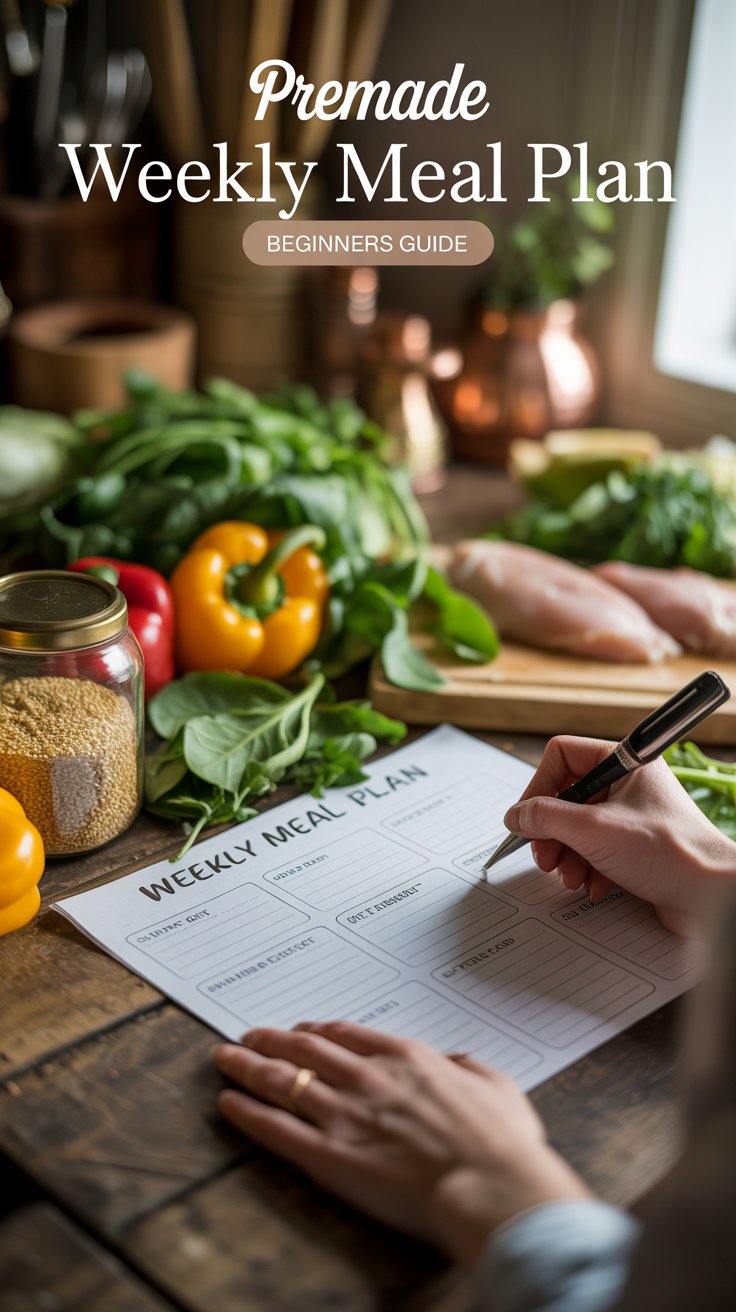
What Is a Premade Weekly Meal Plan?
A premade weekly meal plan is a structured guide that outlines what you’ll eat for breakfast, lunch, dinner, and snacks over seven days. Think of it as a roadmap for your meals that someone else has already designed for you.
These plans typically include a shopping list, preparation instructions, and sometimes even cooking times. The main benefit is that all the decision-making is done before your week begins.
Many people find that having a week long healthy meal plan removes the daily question of “what’s for dinner?” This simple shift can reduce stress and make your evenings more predictable.
Why Use a Premade Weekly Meal Plan?
Saves Time Throughout Your Week
When you follow a structured meal plan, you eliminate hours of time spent wondering what to cook. You already know what’s on the menu, so you can focus on preparation instead of decision-making.
Grocery shopping becomes faster too. With a complete list in hand, you can move through the store efficiently without wandering aisles or making impulse purchases.
Meal prep also becomes more streamlined. You can batch similar tasks together, like chopping all your vegetables at once or cooking grains for multiple meals.
Helps You Stick to a Budget
A budget friendly weekly meal plan can significantly reduce food waste. When you buy only what you need for planned meals, less food ends up forgotten in the back of your refrigerator.
You’ll also avoid costly last-minute takeout orders. When dinner is already planned and ingredients are available, the temptation to order delivery decreases.
Planning meals around sales and seasonal produce becomes easier when you’re working from a structured plan. You can adjust recipes based on what’s affordable that week.
Supports Consistent Eating Habits
Following an eat clean menu for a week helps you establish regular eating patterns. Instead of skipping meals or grabbing whatever’s convenient, you have nutritious options ready.
Portion control becomes more natural when meals are planned. You’re less likely to overeat when you have balanced meals prepared in advance.
Having a plan also reduces the likelihood of making food choices based purely on cravings or convenience. You’re working from a thoughtful structure instead of reacting to hunger in the moment.
How to Choose the Right Premade Weekly Meal Plan

Consider Your Lifestyle and Schedule
Look for a 7 day healthy food plan that matches your available cooking time. If you only have 30 minutes on weeknights, choose plans with quick recipes or significant weekend prep.
Think about how many people you’re feeding. Some plans are designed for individuals, while others serve families of four or more.
Consider your kitchen equipment too. If a plan requires appliances you don’t own, it won’t work for your situation.
Match the Plan to Your Preferences
Choose a plan that includes foods you actually enjoy eating. Even the most nutritious plan won’t work if you don’t like the meals.
Look at the variety within the plan. A good full week meal plan includes different proteins, vegetables, and cooking methods to prevent boredom.
Check if the plan accommodates any dietary preferences or restrictions you have. Many plans are available for vegetarian, dairy-free, or other specific needs.
Evaluate the Shopping List
A quality premade weekly meal plan comes with a detailed shopping list. Review it to ensure the ingredients are accessible at your local stores.
Check that the list is organized logically, perhaps by grocery store sections. This makes shopping even more efficient.
Look for plans that use common ingredients across multiple meals. This approach reduces waste and keeps your ingredient list manageable.
Sample 7-Day Meal Plan Outline
Here’s a generic example of how a week long healthy meal plan might look. Remember, this is just a framework to show you the structure.
Day 1: Monday
- Breakfast: Oatmeal with berries and nuts
- Lunch: Chicken salad with mixed greens and olive oil dressing
- Dinner: Baked salmon with roasted vegetables and quinoa
- Snack: Apple slices with almond butter
Day 2: Tuesday
- Breakfast: Greek yogurt with granola and banana
- Lunch: Turkey and avocado wrap with carrot sticks
- Dinner: Stir-fried tofu with broccoli and brown rice
- Snack: Handful of mixed nuts
Day 3: Wednesday
- Breakfast: Scrambled eggs with whole grain toast and tomatoes
- Lunch: Lentil soup with whole grain crackers
- Dinner: Grilled chicken breast with sweet potato and green beans
- Snack: Celery sticks with peanut butter
Day 4: Thursday
- Breakfast: Smoothie with spinach, banana, and protein powder
- Lunch: Tuna salad stuffed in bell peppers
- Dinner: Pasta with marinara sauce and side salad
- Snack: String cheese with grapes
Day 5: Friday
- Breakfast: Whole grain pancakes with fresh fruit
- Lunch: Grilled vegetable and hummus sandwich
- Dinner: Baked white fish with roasted Brussels sprouts and wild rice
- Snack: Trail mix
Day 6: Saturday
- Breakfast: Veggie omelet with whole grain toast
- Lunch: Chicken and vegetable soup with crackers
- Dinner: Lean beef tacos with lettuce, tomatoes, and black beans
- Snack: Orange slices
Day 7: Sunday
- Breakfast: Cottage cheese with pineapple and walnuts
- Lunch: Leftover taco meat over salad greens
- Dinner: Roasted chicken thighs with root vegetables
- Snack: Dark chocolate squares with strawberries
How to Implement Your Premade Weekly Meal Plan
Start with Shopping
Set aside time on your chosen prep day, typically Sunday, to shop for everything you need. Bring your shopping list and stick to it.
Check your pantry first to avoid buying items you already have. This saves money and prevents duplicate purchases.
Organize your groceries when you get home. Put items you’ll use first in front and group ingredients by meal if that helps you stay organized.
Prep What You Can in Advance
Wash and chop vegetables for the first few days of the week. Store them in clear containers so you can see what’s ready to use.
Cook grains like rice or quinoa in batches. These keep well in the refrigerator and reheat easily.
Marinate proteins or portion them into meal-sized amounts. This makes weeknight cooking much faster.
Stay Flexible When Needed
If something comes up and you need to swap meals around, that’s perfectly fine. The plan is a guide, not a strict rule.
Keep a few backup ingredients on hand for emergencies. Canned beans, frozen vegetables, and pasta can save the day when plans change.
Don’t stress if you need to repeat a favorite meal or skip one entirely. The goal is to make your life easier, not add pressure.
Tips for Success with Your Budget Friendly Weekly Meal Plan
Start Simple
If meal planning is new to you, begin with planning just dinners for the week. Once you’re comfortable, add breakfasts and lunches.
Choose recipes with minimal ingredients at first. As you build confidence, you can try more complex dishes.
Repeat successful meals. There’s no rule saying you can’t eat the same breakfast three days in a row if you enjoy it.
Use Your Freezer Strategically
Make double batches of soups, casseroles, or sauces and freeze half. This gives you ready-made meals for future weeks.
Freeze leftover portions in individual containers for quick lunches. Label them with the date and contents.
Buy proteins on sale and freeze them. You can thaw what you need based on your meal plan for the week.
Keep It Realistic
Choose an eat clean menu for a week that honestly fits your cooking skills. There’s no benefit in selecting complicated recipes you’ll struggle with.
Be honest about your schedule. If you know Wednesdays are busy, plan for a quick meal or leftovers that day.
Remember that restaurant meals and social events are part of life. Build some flexibility into your plan for these occasions.
Common Mistakes to Avoid
Overcomplicating Your Plan
Don’t choose seven completely different elaborate meals. This leads to a overwhelming shopping list and exhausting prep work.
Avoid plans with obscure ingredients you’ll only use once. Stick with versatile staples you can use across multiple recipes.
Skip the plans that require advanced cooking techniques unless you genuinely enjoy cooking and have time for it.
Forgetting About Leftovers
Many people plan a different meal for every single dinner, which creates unnecessary work. Strategic leftovers make life easier.
Cook larger portions at dinner and pack the extras for lunch the next day. This eliminates the need to prepare a separate midday meal.
Some meals actually taste better the next day as flavors develop. Soups, stews, and casseroles are perfect for this approach.
Not Adjusting for Your Household
A plan designed for one person won’t automatically work for a family without adjustments. Scale recipes appropriately.
Consider different preferences within your household. You might need to offer variations or side options to satisfy everyone.
Think about who’s home for which meals. If family members eat lunch at work or school, don’t plan elaborate midday meals at home.
Making Your Premade Weekly Meal Plan Work Long-Term
Build a Rotation
Once you find a 7 day healthy food plan that works well, save it. You can repeat favorite plans every few weeks without getting bored.
Create themed weeks to add variety. One week might focus on Mediterranean foods, another on Asian-inspired dishes.
Keep notes about what worked and what didn’t. This helps you refine your planning over time.
Involve Your Household
Let family members suggest meals they’d like to see on the plan. This increases buy-in and ensures people are excited about the food.
Assign age-appropriate tasks to children. Even young kids can help wash vegetables or stir ingredients.
Share cooking responsibilities if possible. Having different household members cook different nights reduces burnout.
Track Your Spending
Keep receipts from your meal plan shopping trips. After a few weeks, you’ll see patterns in your spending.
Compare your meal planning costs to your previous food spending. Many people are surprised by how much they save.
Adjust future plans based on your budget observations. If certain ingredients are consistently expensive, find alternatives.
Resources to Find Quality Meal Plans
Free Online Options
Many websites offer free premade meal plans. Look for ones from registered dietitians or reputable food sites.
Social media groups focused on meal planning can provide inspiration and support. Members often share what worked for them.
Food blogs frequently feature weekly meal plans with recipes. Find a few bloggers whose style matches yours.
Paid Services and Apps
Subscription services provide customized meal plans based on your preferences and dietary needs. These often include automated shopping lists.
Meal planning apps can help you organize plans, track groceries, and scale recipes. Many offer free basic versions.
Some services deliver pre-portioned ingredients with recipe cards, taking even more work off your plate.
Create Your Own
Once you understand how a budget friendly weekly meal plan works, you might want to create your own. Start by listing favorite meals.
Choose recipes that share ingredients to minimize shopping. If you’re buying parsley for one recipe, find another that uses it too.
Use a simple template or spreadsheet to organize your plan. You don’t need fancy tools, just a clear structure.
The Final Take..
A premade weekly meal plan is a practical tool that helps you organize your eating routine, save time, and reduce stress around meals. Whether you’re looking for a full week meal plan to simplify your evenings or a budget friendly weekly meal plan to reduce food costs, the structured approach works.
Remember that the goal isn’t perfection. Some weeks will go exactly according to plan, while others might require adjustments. That’s completely normal and expected.
Start with small steps. Plan a few dinners for your first week and see how it feels. As you get comfortable with the process, you can expand to include more meals.
The most successful approach is one you can maintain over time. Choose plans that fit your life, not ones that require you to completely change your routine. Consistency matters more than following any plan perfectly.
Your premade weekly meal plan is a tool to make your life easier, not another source of pressure. Use it as a flexible guide, adjust as needed, and celebrate the small wins along the way.
