
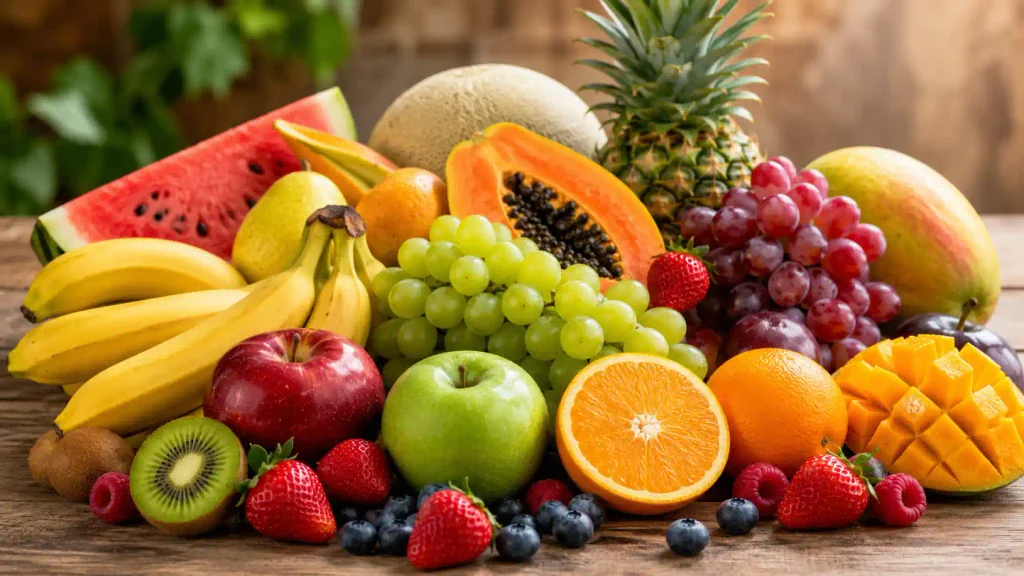
When you’re trying to build muscle, protein and resistance training usually get most of the attention. But the rest of your diet matters too. Fruit can be a useful part of a muscle-building diet because it provides carbohydrates, fluids, fiber, vitamins, minerals and other plant compounds that support an active lifestyle.
That doesn’t mean fruit builds muscle on its own. Your muscles need a training stimulus, adequate protein and enough overall energy to grow. Fruit can help fill the nutritional gaps around those fundamentals, particularly when you need carbohydrates for training or an easy way to add nutrient-dense foods to your meals.
So which fruits are most useful for bodybuilders and people trying to gain muscle? Rather than looking only at sugar or calories, it makes more sense to consider what each fruit contributes to your overall diet.
How Fruit Fits Into a Muscle-Building Diet
Fruit can support your training nutrition in several practical ways. Many fruits provide carbohydrates that can contribute to glycogen replenishment and workout fuel. Others are particularly useful for their potassium, vitamin C, magnesium, fiber, water content or antioxidant compounds.
- Carbohydrates: Fruit can provide an accessible source of carbohydrate before or after training.
- Glycogen support: Carbohydrates help replenish muscle glycogen after demanding exercise.
- Hydration: High-water fruits can contribute to daily fluid intake.
- Micronutrients: Potassium, magnesium, vitamin C and other nutrients contribute to normal muscle and metabolic function.
- Fiber: Whole fruit provides dietary fiber, which can support digestive health and satiety.
- Plant compounds: Berries and other colorful fruits provide polyphenols and other antioxidant compounds.
The best choice therefore depends on your goal. Someone trying to gain weight may prefer more calorie-dense fruit such as avocado or dried fruit, while someone trying to stay lean may favor berries, watermelon, oranges and other lower-energy options.
15 Best Fruits for Muscle Gain and Bodybuilding
#1 Blackberries
Blackberries are an easy addition to a muscle-building diet when you want plenty of flavor without a large calorie load. They provide dietary fiber, vitamin C, vitamin K and other plant compounds, while their carbohydrate content can complement a meal or snack around training.
They’re especially useful when paired with a protein-rich food such as Greek yogurt, cottage cheese or a protein shake. That combination provides a more complete snack than relying on fruit alone.
#2 Avocado
Avocado stands out from most fruits because it provides substantially more fat and calories. Its monounsaturated fats make it useful for people who struggle to eat enough energy while trying to gain weight or build muscle.
It also provides potassium, fiber and several micronutrients. Add avocado to eggs, whole-grain toast, rice bowls or a post-workout meal when you want to increase the energy density of your diet without relying on highly processed foods.
#3 Guava
Guava is particularly interesting for its vitamin C and fiber content. It also supplies potassium and other micronutrients that fit well into an active person’s diet.
It won’t provide enough protein to serve as a muscle-building food by itself, but it can complement a protein-rich meal while adding carbohydrate, fiber and micronutrients.
#4 Jackfruit
Jackfruit is a useful fruit to include for variety, particularly in plant-forward meals. It provides carbohydrates, fiber, vitamin C, potassium and other nutrients, but it should not be treated as a high-protein replacement for foods such as beans, lentils, dairy, eggs, fish or meat.
If you’re using jackfruit as part of a muscle-building meal, combine it with a meaningful protein source. Its role is mainly to contribute carbohydrates, texture and micronutrients rather than supply the protein required for muscle growth.
#5 Oranges
Oranges are a practical choice for active people because they provide carbohydrates, vitamin C, water and potassium. They’re also portable and easy to add to breakfast, lunch or a post-workout meal.
The combination of fluid and carbohydrate makes a whole orange more useful around training than treating fruit simply as a source of sweetness.
#6 Kiwi
Kiwi provides vitamin C, fiber and potassium, along with naturally occurring carbohydrates. Its nutrient profile makes it a useful addition to a varied diet, especially when you’re trying to increase your intake of whole fruits rather than relying on the same foods every day.
Try kiwi with Greek yogurt, oats or another protein-rich breakfast for a simple combination of carbohydrates, protein and fiber.
#7 Banana
Bananas are one of the most practical fruits for people who train regularly. They provide carbohydrates and potassium, are inexpensive, portable and require no preparation.
A banana can work well before a workout when you want an easy carbohydrate source, or after training when combined with protein. For people trying to gain weight, adding banana to oats, yogurt or a shake is also an easy way to increase total food intake.
#8 Watermelon
Watermelon is mostly water, which makes it particularly refreshing after exercise or during hot weather. It also provides carbohydrates and potassium while adding relatively few calories compared with more energy-dense foods.
Because it is low in protein and relatively low in calories, watermelon isn’t a standalone muscle-building food. Think of it as a hydrating carbohydrate-rich addition to a meal that contains adequate protein.
#9 Apricots
Fresh apricots provide carbohydrates, fiber, potassium and vitamins while keeping the overall calorie contribution moderate. They’re useful when you want variety in your fruit intake without adding a large amount of energy.
Dried apricots are a different proposition: removing the water concentrates their calories and carbohydrates. That makes dried fruit more useful for someone trying to increase energy intake, but portion size matters.
#10 Pineapple
Pineapple provides carbohydrates, vitamin C, manganese and water, making it a refreshing addition to meals around training. Its naturally sweet flavor also makes it easy to combine with plain yogurt, cottage cheese or other protein-rich foods.
Rather than worrying about whether pineapple is “too sugary” for muscle gain, consider the portion and the rest of your diet. Whole pineapple provides fiber and nutrients that you don’t get in the same way from a sugary drink.
#11 Blueberries
Blueberries are a nutrient-dense option that provides fiber, vitamin C, vitamin K and a range of plant compounds, including anthocyanins. They are also relatively low in calories, which makes them convenient for people who want fruit in their diet without dramatically increasing energy intake.
Add blueberries to oatmeal, Greek yogurt or a protein smoothie to combine carbohydrates and plant foods with a more substantial protein source.
#12 Honeydew Melon
Honeydew is another high-water fruit that provides carbohydrates, vitamin C and potassium. Its mild sweetness makes it easy to eat as a snack or alongside a meal.
For muscle gain, its main advantage is not that it directly increases muscle mass. Instead, it contributes fluids, carbohydrates and micronutrients to an overall diet that supports regular training.
#13 Cantaloupe
Cantaloupe provides water, carbohydrates, potassium, vitamin C and vitamin A. Like other melons, it can be useful when you want a refreshing source of carbohydrate and fluid without a very large calorie load.
Pair it with Greek yogurt, cottage cheese or eggs if you want to turn a fruit snack into a more balanced meal.
#14 Cranberries
Cranberries contain fiber, vitamin C and a variety of plant compounds. Fresh or unsweetened cranberries can add variety to a nutrient-dense diet, although the dried versions often contain added sugar and are much more calorie-dense.
If you’re buying dried cranberries, check the nutrition label because the product can be substantially different from fresh fruit.
#15 Dates
Dates are particularly useful when you need a compact source of carbohydrates and calories. Because they are dried fruit, their sugars and energy are concentrated into a small serving.
That makes dates practical before training or as part of a higher-calorie snack. Pair them with yogurt, milk, nuts or another protein-containing food when you’re trying to turn them into part of a muscle-building meal.
Which Fruits Are Best Before a Workout?
Before training, you may want a fruit that provides easily accessible carbohydrates without making the meal unnecessarily heavy. Bananas, oranges, pineapple, dates and other carbohydrate-rich fruits can fit well depending on your portion size and how close you are to your workout.
- 30–60 minutes before: A banana, dates or another easy-to-digest fruit can provide a convenient carbohydrate source.
- 1–3 hours before: Fruit can be combined with oats, yogurt or another meal containing protein and carbohydrates.
- During hot weather: High-water fruits such as watermelon and melon can contribute to overall fluid intake.
Which Fruits Are Best After a Workout?
After resistance training, fruit can provide carbohydrates that contribute to glycogen replenishment. But fruit alone isn’t a complete recovery meal because most fruits contain little protein.
A more useful combination is fruit + protein. For example, try a banana with Greek yogurt, berries with cottage cheese, pineapple with a protein-rich meal, or dates alongside a milk-based shake.
If you’re interested in how creatine fits alongside training and nutrition, you can also read about my 30-day creatine experiment and what I noticed with daily supplementation.
Can You Eat Fruit While Trying to Gain Muscle Without Gaining Too Much Fat?
Yes. Fruit doesn’t automatically cause fat gain. What matters for changes in body fat is your overall energy balance over time.
If you’re intentionally gaining muscle, you may need a calorie surplus, but the size of that surplus matters. Whole fruit can make it easier to add carbohydrates and micronutrients without relying entirely on ultra-processed foods.
On the other hand, if you’re trying to lose fat while preserving or building muscle, lower-calorie fruits such as berries, watermelon, oranges and melon can add volume and nutrients without contributing a large number of calories.
A structured meal plan for weight loss and muscle gain can be useful when you’re trying to balance protein, calories and food choices rather than focusing on one ingredient in isolation.
Fruit Alone Won’t Build Muscle
This is the most important point to understand. Fruit is a supporting food, not a complete muscle-building strategy.
- Resistance training provides the stimulus for muscle adaptation.
- Protein supplies amino acids needed for muscle protein synthesis.
- Total calories determine whether you’re eating enough energy to support your goal.
- Carbohydrates help fuel training and replenish glycogen.
- Sleep and recovery allow your body to adapt to training.
- Fruit and vegetables contribute carbohydrates, fiber, fluids, vitamins, minerals and plant compounds.
How Much Fruit Should You Eat for Muscle Gain?
There isn’t a special number of fruit servings that automatically produces muscle growth. Your needs depend on total calorie intake, training volume, carbohydrate needs, food preferences and the rest of your diet.
For most people, the practical approach is to include a variety of whole fruits throughout the day and adjust portions according to your overall nutrition goal. If you’re struggling to gain weight, more calorie-dense choices such as avocado or dates can be useful. If you’re controlling calories, berries and melons can provide volume with fewer calories.
Best Fruits for Muscle Gain: Quick Comparison
| Fruit | Best Use | What It Contributes |
|---|---|---|
| Blackberries | Everyday snack | Fiber, vitamin C, plant compounds |
| Avocado | Higher-calorie diets | Monounsaturated fat, calories, potassium, fiber |
| Guava | Micronutrient-rich snack | Vitamin C, fiber, potassium |
| Jackfruit | Plant-forward meals | Carbohydrates, fiber, micronutrients |
| Orange | Pre/post-workout snack | Carbohydrates, vitamin C, fluid, potassium |
| Kiwi | Breakfast or snack | Vitamin C, fiber, potassium |
| Banana | Pre-workout fuel | Carbohydrates, potassium |
| Watermelon | Hydration | Water, carbohydrates, potassium |
| Apricots | Lower-calorie option | Carbohydrates, fiber, potassium |
| Pineapple | Post-workout meals | Carbohydrates, vitamin C, water |
| Blueberries | Breakfast or snack | Fiber, vitamin C, plant compounds |
| Honeydew | Hydrating snack | Water, carbohydrates, potassium |
| Cantaloupe | Hydrating snack | Water, carbohydrates, vitamins |
| Cranberries | Variety and flavor | Fiber, vitamin C, plant compounds |
| Dates | Higher-energy snack | Concentrated carbohydrates and calories |
Simple Muscle-Building Fruit Combinations
- Banana + Greek yogurt: carbohydrate + protein
- Blueberries + oats + yogurt: carbohydrates + fiber + protein
- Dates + milk or protein shake: concentrated carbohydrates + protein
- Avocado + eggs + whole-grain toast: energy-dense meal with protein and healthy fats
- Orange + cottage cheese: fruit, carbohydrates and protein
- Pineapple + chicken and rice: carbohydrate-rich meal with a substantial protein source
Bottom Line
The best fruits for muscle gain aren’t necessarily the fruits with the most protein—most fruit contains very little protein. Their value comes from what they add to the diet around your training: carbohydrates, hydration, fiber, potassium, vitamins and other plant nutrients.
Choose fruit according to your goal. Use bananas, dates and pineapple when you want convenient carbohydrates around training; berries and citrus when you want nutrient-dense lower-calorie options; and avocado when you need more energy and healthy fats.
Most importantly, don’t let fruit distract you from the bigger picture. Progressive resistance training, adequate protein, appropriate calorie intake and recovery are what drive muscle growth. Fruit simply helps make that overall diet more nutritious, varied and practical.
