
Finding low cholesterol foods for diabetics can feel overwhelming when you’re managing both conditions simultaneously. You want meals that taste amazing without spiking blood sugar or raising cholesterol levels. The good news is that many delicious foods naturally support both goals. Smart food choices can transform your health journey into an enjoyable adventure.
Why Managing Cholesterol Matters When You Have Diabetes
When you have diabetes, your risk for heart disease increases significantly, making cholesterol management even more critical. High cholesterol combined with diabetes creates a dangerous combination that can lead to serious cardiovascular complications.
Studies show that people with diabetes are two to four times more likely to develop heart disease than those without diabetes. By choosing foods that support both blood sugar control and healthy cholesterol levels, you’re taking a powerful step toward protecting your heart.
Oats: Your Morning Cholesterol-Fighting Champion
Starting your day with oats gives you a powerful dose of soluble fiber that actively works to lower your LDL (bad) cholesterol. The beta-glucan in oats forms a gel-like substance in your digestive system that helps remove cholesterol from your body.
A bowl of steel-cut oats with cinnamon and berries provides about 4 grams of soluble fiber and has a low glycemic index, making it perfect for blood sugar control. Choose steel-cut or old-fashioned oats over instant varieties to maximize both fiber content and blood sugar benefits.
Fatty Fish: Omega-3 Powerhouses for Heart Health
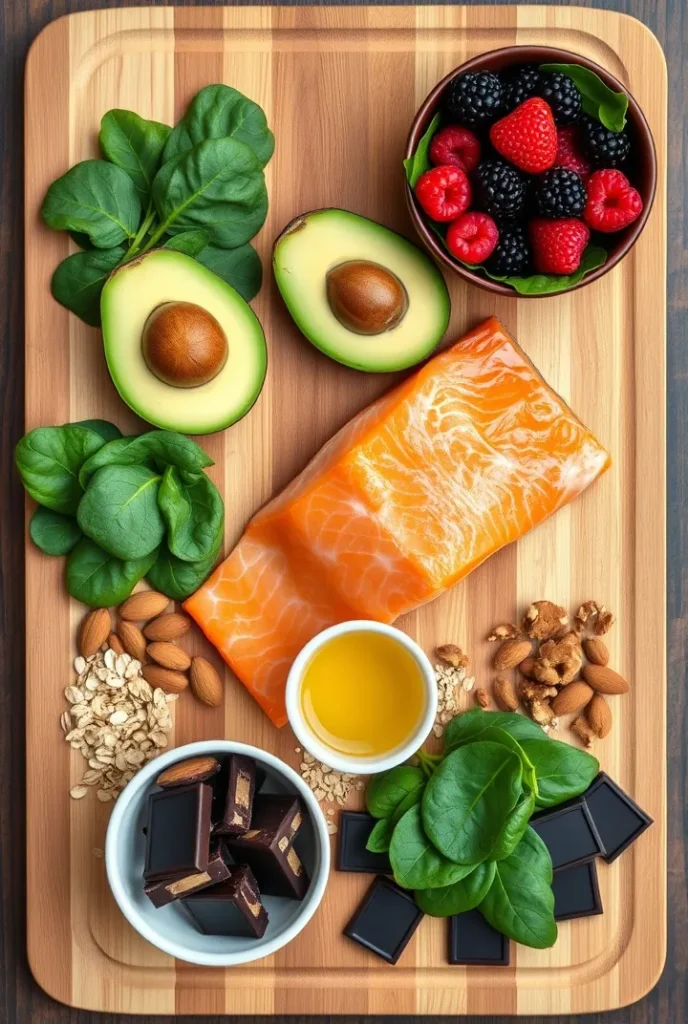
Salmon, mackerel, sardines, and other fatty fish deliver omega-3 fatty acids that help reduce inflammation and improve your cholesterol profile. These healthy fats can raise your HDL (good) cholesterol while supporting overall heart health.
Aim for two servings of fatty fish per week, with each serving being about 3.5 ounces. Grilled salmon with herbs or baked mackerel with lemon provides high-quality protein that won’t spike your blood sugar while delivering essential nutrients your body needs.
Beans and Legumes: Fiber-Rich Protein Sources
Black beans, lentils, chickpeas, and other legumes pack an impressive amount of soluble fiber that helps lower cholesterol naturally. They’re also excellent plant-based protein sources that can help stabilize blood sugar levels throughout the day.
Half a cup of cooked beans provides about 6-8 grams of fiber and 7-8 grams of protein. Try adding white beans to soups, using lentils in salads, or making hummus with chickpeas for versatile, diabetes-friendly options that support healthy cholesterol levels.
Nuts: Small Packages with Big Health Benefits
Almonds, walnuts, and other nuts contain healthy monounsaturated fats that can help improve your cholesterol ratios when eaten in moderation. The combination of healthy fats, protein, and fiber makes nuts excellent choices for blood sugar management too.
A small handful (about 1 ounce) of mixed nuts provides heart-healthy fats without causing blood sugar spikes. Walnuts are particularly rich in omega-3 fatty acids, while almonds offer vitamin E and magnesium that support overall cardiovascular health.
Avocados: Creamy Goodness for Your Heart
Avocados are rich in monounsaturated fats that can help lower bad cholesterol while maintaining or even raising good cholesterol levels. Their high fiber content and low carbohydrate impact make them ideal for people managing diabetes.
Half an avocado contains about 10 grams of fiber and virtually no sugar, making it perfect for blood sugar control. Use avocado as a spread instead of butter, add it to salads, or enjoy it with eggs for a satisfying meal that supports both your cholesterol and blood sugar goals.
Olive Oil: Liquid Gold for Cholesterol Management
Extra virgin olive oil contains powerful antioxidants and monounsaturated fats that can help reduce LDL cholesterol oxidation and inflammation. Using olive oil instead of saturated fats can significantly improve your cholesterol profile over time.
Two tablespoons of extra virgin olive oil provide about 20 grams of heart-healthy monounsaturated fats with zero carbohydrates. Drizzle it over salads, use it for light sautéing, or mix it with herbs for a diabetes-friendly dressing that supports healthy cholesterol levels.
Leafy Greens: Nutrient-Dense Cholesterol Fighters
Spinach, kale, collard greens, and other leafy vegetables are incredibly low in calories and carbohydrates while being rich in fiber and antioxidants. These nutrients help support healthy cholesterol levels while having minimal impact on blood sugar.
One cup of raw spinach contains only 1 gram of carbohydrates and provides folate, potassium, and antioxidants that support heart health. Steam them lightly, add them to smoothies, or use them as salad bases for nutrient-packed meals that benefit both conditions.
Berries: Sweet Treats That Support Your Health
Blueberries, strawberries, and raspberries are packed with fiber and antioxidants while being relatively low in sugar compared to other fruits. The soluble fiber in berries can help lower cholesterol, while their natural sweetness satisfies cravings without major blood sugar spikes.
One cup of fresh berries typically contains 8-10 grams of fiber and only 12-15 grams of natural sugars. Mix berries into Greek yogurt, add them to oatmeal, or enjoy them as a refreshing snack that supports both cholesterol management and blood sugar control.
Whole Grains: Smart Carbohydrate Choices
Brown rice, quinoa, and barley provide complex carbohydrates along with soluble fiber that helps lower cholesterol levels. Unlike refined grains, these options have a gentler impact on blood sugar while delivering important nutrients.
One cup of cooked quinoa provides 5 grams of fiber and complete protein with a moderate glycemic index. Replace white rice with brown rice, try quinoa in salads, or use barley in soups for satisfying meals that support your health goals.
Greek Yogurt: Protein-Rich Probiotic Power
Plain Greek yogurt offers high-quality protein and probiotics that may help support healthy cholesterol levels. The protein content helps with blood sugar stability, while the probiotics contribute to overall digestive and heart health.
Six ounces of plain Greek yogurt provides about 15-20 grams of protein with only 6-8 grams of natural sugars. Choose unsweetened varieties and add your own berries or nuts for a diabetes-friendly snack that supports cholesterol management.
Garlic: Flavorful Medicine for Your Heart
Garlic contains compounds that may help lower both total cholesterol and LDL cholesterol levels while adding incredible flavor to your meals without any carbohydrates. Regular garlic consumption has been linked to various cardiovascular benefits.
Fresh garlic is more potent than processed forms and adds zero carbohydrates to your meals. Use it in cooking, make garlic-infused olive oil, or add it to roasted vegetables for a flavorful way to support your heart health naturally.
Dark Chocolate: A Heart-Healthy Indulgence
Dark chocolate with at least 70% cocoa content contains flavonoids that may help improve cholesterol levels and support heart health. When enjoyed in moderation, it can satisfy sweet cravings while providing potential health benefits.
One small square (about 0.5 ounces) of dark chocolate contains roughly 3-4 grams of carbohydrates and beneficial antioxidants. Choose high-quality dark chocolate with minimal added sugars for an occasional treat that won’t derail your blood sugar management efforts.
Chia Seeds: Tiny Seeds with Massive Benefits
Chia seeds are incredibly rich in soluble fiber, omega-3 fatty acids, and protein, making them excellent for both cholesterol management and blood sugar control. They absorb liquid and create a gel-like consistency that helps you feel full longer.
Two tablespoons of chia seeds provide 10 grams of fiber, 4 grams of protein, and omega-3 fatty acids with only 2 grams of net carbohydrates. Add them to smoothies, make chia puddings, or sprinkle them on salads for an easy nutrition boost.
Building Your Daily Meal Plan
Creating meals that incorporate these cholesterol-friendly foods doesn’t have to be complicated. Start by choosing one or two items from this list for each meal, focusing on variety throughout the week to maximize nutritional benefits.
A typical day might include oatmeal with berries for breakfast, a salad with avocado and nuts for lunch, and grilled salmon with steamed vegetables for dinner. This approach ensures you’re getting diverse nutrients while supporting both your cholesterol and blood sugar goals.
Smart Shopping and Preparation Tips
When grocery shopping, focus on the perimeter of the store where fresh, whole foods are typically located. Read labels carefully to avoid hidden sugars and unhealthy fats that could interfere with your health goals.
Batch cooking proteins like grilled chicken or baked salmon can save time during busy weeks. Prepare vegetables in advance, cook grains in larger quantities, and keep healthy snacks like nuts and Greek yogurt readily available for convenient healthy choices.
Understanding Portion Control
Even healthy foods need to be eaten in appropriate portions, especially when managing diabetes. Learning proper serving sizes helps you enjoy these beneficial foods while maintaining stable blood sugar levels.
Use measuring cups initially to learn what proper portions look like, then gradually develop your eye for appropriate amounts. A serving of nuts fits in your palm, while a serving of fish is about the size of your palm and thickness of your pinky finger.
Monitoring Your Progress
Keep track of how different foods affect your blood sugar levels and overall well-being. Regular monitoring helps you identify which foods work best for your individual needs and preferences.
Work with your healthcare team to monitor both your blood sugar control and cholesterol levels over time. Regular check-ups allow you to see how your dietary choices are impacting your health and make adjustments as needed.
Making Sustainable Changes
The key to long-term success is making gradual changes that you can maintain over time. Start by incorporating one or two new foods each week rather than trying to overhaul your entire diet at once.
Focus on adding healthy options rather than just restricting foods you enjoy. This positive approach makes it easier to stick with your new eating habits and creates lasting changes that benefit your health for years to come.
